


€ 28,99 Gratis verzending

Uitgelicht
|
|
28,99 |
Naar shop
|

|
32,31 |
Naar shop
|
| VERGELIJK ALLE AANBIEDERS (2) | ||
 Beschrijving
Vergelijk aanbieders (2)
€ 28,99 Gratis verzending
gebruikt € 32,31 Gratis verzending
Winkels met andere maten
Beschrijving
(2)
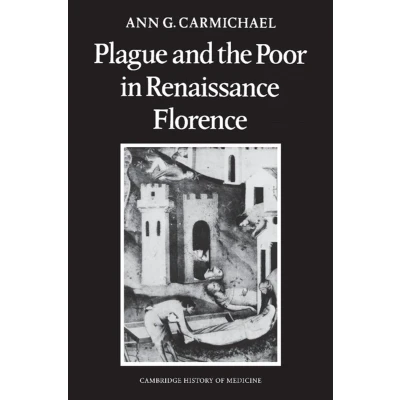
This book uses Florentine death registers to show the changing character of plague from the first outbreak of the Black Death in 1348 to the mid-fifteenth century. Through an innovative study of this evidence, Professor Carmichael develops two related strands of analysis. First, she discusses the extent to which true plague epidemics may have occurred, by considering what other infectious diseases contributed significantly to outbreaks of 'pestilence'. She finds that there were many differences between the fourteenth- and fifteenth-century epidemics. She then shows how the differences in the plague reshaped the attitudes of Italian city-dwellers toward plague in the fifteenth century. Fourteenth-century plague survivors could not have defended the conclusion that plague was a contagious disease of the poor - too many prominent citizens died in the outbreaks that occurred before the fifteenth century. But wealthy Florentines of the 1430s could be reasonably sure that flight from the city would protect them from plague. This understanding led the way to measures for dealing with recurrent plague: the quarantine, the pest house and health boards. These controls actually increased the death toll of the poor, supporting future efforts to treat differently this perceived (by the wealthy) dangerous element of Renaissance society.
BolOriginally published in 1986, this book uses Florentine death registers to show the changing character of plague from the first outbreak of the Black Death in 1348 to the mid-fifteenth century. Through an innovative study of this evidence, Professor Carmichael develops two related strands of analysis. First, she discusses the extent to which true plague epidemics may have occurred, by considering what other infectious diseases contributed significantly to outbreaks of 'pestilence'. She finds that there were many differences between the fourteenth- and fifteenth-century epidemics. She then shows how the differences in the plague reshaped the attitudes of Italian city-dwellers toward plague in the fifteenth century. This book will be of value to anyone with an interest in the history of the plague, Renaissance Italy and the history of medicine.
 Productspecificaties
| EAN |
|
|---|---|
| Maat |
|
 Prijshistorie
 Prijzen voor het laatst bijgewerkt op:
 Gerelateerde resultaten


