

€ 42,46 Gratis verzending

Uitgelicht
|
|
42,46 |
Naar shop
|

|
42,46 |
Naar shop
|

|
42,46 |
Naar shop
|
| VERGELIJK ALLE AANBIEDERS (3) | ||
 Beschrijving
Vergelijk aanbieders (3)
€ 42,46 Gratis verzending
€ 42,46 Gratis verzending
€ 42,46 Gratis verzending
Winkels met andere maten
Beschrijving
(1)
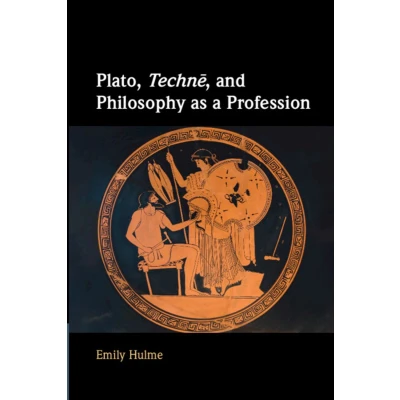
Who has a legitimate claim to wisdom? Emily Hulme argues that Plato's response to this question was shaped by the concept of technē (art, craft, expertise, profession) and that he developed the notion of philosophy as a genuine profession in the dialogues against the rival claims of practices like sophistry. The first part of the book concerns technē in general, drawing on literary, epigraphic, and art historical evidence to discuss this concept in Greek thought and culture and explaining the position of this term in Plato's epistemological vocabulary. The second part offers close readings of a handful of key dialogues: philosophy defined against sophistry in Euthydemus, Hippias Minor, Protagoras, and Gorgias; the profession of philosopher-rulers in the Republic; and philosophy versus politics in the Sophist and Statesman.
 Prijshistorie
 * Prijshistorie bevat geen data van Amazon, Amazon Marketplace.
Prijzen voor het laatst bijgewerkt op:
 Gerelateerde resultaten
 Productspecificaties


