


€ 99,45 Gratis verzending

Uitgelicht
|
|
99,45 |
Naar shop
|
| VERGELIJK ALLE AANBIEDERS (1) | ||
 Beschrijving
Vergelijk aanbieders (1)
€ 99,45 Gratis verzending
Winkels met andere maten
Beschrijving
(1)
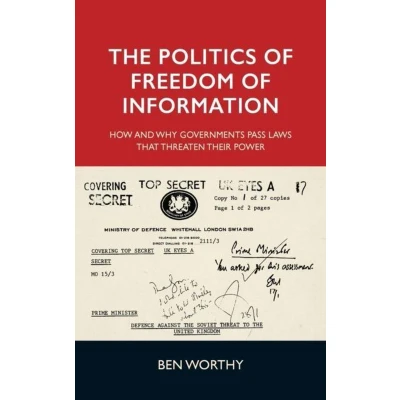
This book explores the implementation of the UK's FOI law under Tony Blair, showing how the radical policy was weakened by compromises and clandestine agreements before reaching the statute book, though it went on to be controversial and disruptive nonetheless. 'Freedom of Information. Three harmless words. You idiot. You naive, foolish, irresponsible nincompoop.' Tony Blair, A Journey, 2010The UK Freedom of Information Act has provoked controversy and praise, as well as expressions of regret in Tony Blair's memoirs. But why do governments pass laws that potentially expose them and threaten their power? And how do such laws survive the long and often controversial process of development? The politics of freedom of information explores these questions through a detailed account of the implementation of freedom of information (FOI) in the UK. Looking beyond the simplistic narrative of 'secretive governments' resisting openness at all costs, it examines the nuances of the policy process and shows how a 'symbolic' policy can change before it is passed into law. After comparing the British experience with the difficult development of FOI in Australia, India and the United States - and the rather different cases of Ireland and New Zealand - it concludes by looking at how the disruptive, dynamic and democratic effects of FOI continue to cause controversy once in operation.Based on interviews with key actors and experts, The politics of freedom of information offers unique insights into FOI laws - their perils, their appeal and the challenge of putting them into practice. Why do governments pass freedom of information laws? The symbolic power and force surrounding FOI makes it appealing as an electoral promise but hard to disengage from once in power. However, behind closed doors compromises and manoeuvres ensure that bold policies are seriously weakened before they reach the statute book.The politics of freedom of information examines how Tony Blair's government proposed a radical FOI law only to back down in fear of what it would do. But FOI survived, in part due to the government's reluctance to be seen to reject a law that spoke of 'freedom', 'information' and 'rights'. After comparing the British experience with the difficult development of FOI in Australia, India and the United States – and the rather different cases of Ireland and New Zealand – the book concludes by looking at how the disruptive, dynamic and democratic effects of FOI laws continue to cause controversy once in operation.
 Productspecificaties
| EAN |
|
|---|---|
| Maat |
|
 Prijshistorie
 Prijzen voor het laatst bijgewerkt op:
 Gerelateerde resultaten


