
Politics Russia
Uitgelicht

|
64,99 |
Naar shop
|
| VERGELIJK ALLE AANBIEDERS (1) | ||
 Beschrijving
Bol
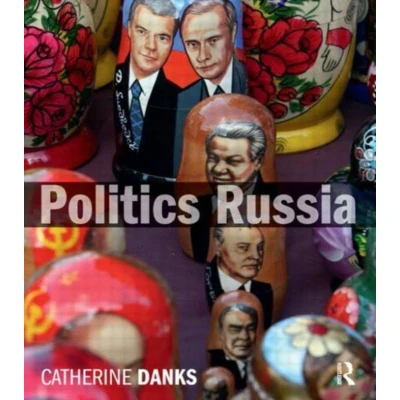
Politics Russia provides the most comprehensive, accessible and up-to-date introduction to all aspects of the political development of Russia in the post-communist era. Writing with the undergraduate student specifically in mind, Danks fluent style and masterly grasp of complex material will make this an indispensable guide for many years to come. On 31st December 1991 the USSR officially ceased to exist, and on 1st January 1992, the Russian Federation was born. Politics Russia examines the end of the USSR and explains exactly what happened next. Providing an engaging guide to the complexities of Russian politics, Politics Russia charts Russia's political history from the attempt to create a democracy and a market economy from the rubble of soviet socialism in the 1990s, through Putin's bid to create a strong state and to 'manage democracy', up to the implications of the 2008 election of Dmitry Medvedev as Russia's third post-Soviet president. Politics Russia gives a comprehensive analysis of Russias executive, legislature and judiciary, of the relations between the federal government and the regions, of political parties, civil society and mass media, the key policy areas of the economy, foreign and defence issues and health and social welfare, as well as contextualising the significance of informal politics, and the continuing importance of networks and patron-client relations to Russian politics and government. At a time when Russia is reasserting its role as a global power, Politics Russia offers timely and essential reading for the student and general reader alike. Key features: o Maps o Biographies of key figures o Suggested further reading o Information boxes o Definitions of key terminology o Web resources Catherine Danks is Senior Lecturer in the History department at Manchester Metropolitan University and has been teaching Russian History and Politics for over 25 years. Her most recent publication is Russian Politics and Society: An Introduction (Pearson, 2001). Politics Russia provides the most comprehensive, accessible and up-to-date introduction to all aspects of the political development of Russia in the post-communist era. Writing with the undergraduate student specifically in mind, Danks fluent style and masterly grasp of complex material will make this an indispensable guide for many years to come. Divided into five sections, Politics Russia maps a clear path towards an understanding of Russia and its politics in the twenty first century. In Part One the emergence of contemporary Russia is put into context by a consideration of the end of the USSR and the move towards democratization under Gorbachev. Part Two provides a clear-sighted and stimulating overview of the nature of the executive and the legislature in contemporary Russia. Part Three examines civil society, the role of the media and the representative process. Part Four is focussed on the policy process, from foreign and defence policies to the development of domestic social policies from the provision of healthcare to education. Part Five, the final, provides an overall consideration the contemporary state of Russia, examining the development from Yeltsin, to Putin to Medvedev, and considers the possible futures of the region. The book is supported by a host of pedagogical features, including: Annotated further reading lists Definitions of key political terms Short biographies of key figures


Vergelijk aanbieders (1)

 Beschrijving
(1)
Beschrijving
(1)
Politics Russia provides the most comprehensive, accessible and up-to-date introduction to all aspects of the political development of Russia in the post-communist era. Writing with the undergraduate student specifically in mind, Danks fluent style and masterly grasp of complex material will make this an indispensable guide for many years to come. On 31st December 1991 the USSR officially ceased to exist, and on 1st January 1992, the Russian Federation was born. Politics Russia examines the end of the USSR and explains exactly what happened next. Providing an engaging guide to the complexities of Russian politics, Politics Russia charts Russia's political history from the attempt to create a democracy and a market economy from the rubble of soviet socialism in the 1990s, through Putin's bid to create a strong state and to 'manage democracy', up to the implications of the 2008 election of Dmitry Medvedev as Russia's third post-Soviet president. Politics Russia gives a comprehensive analysis of Russias executive, legislature and judiciary, of the relations between the federal government and the regions, of political parties, civil society and mass media, the key policy areas of the economy, foreign and defence issues and health and social welfare, as well as contextualising the significance of informal politics, and the continuing importance of networks and patron-client relations to Russian politics and government. At a time when Russia is reasserting its role as a global power, Politics Russia offers timely and essential reading for the student and general reader alike. Key features: o Maps o Biographies of key figures o Suggested further reading o Information boxes o Definitions of key terminology o Web resources Catherine Danks is Senior Lecturer in the History department at Manchester Metropolitan University and has been teaching Russian History and Politics for over 25 years. Her most recent publication is Russian Politics and Society: An Introduction (Pearson, 2001). Politics Russia provides the most comprehensive, accessible and up-to-date introduction to all aspects of the political development of Russia in the post-communist era. Writing with the undergraduate student specifically in mind, Danks fluent style and masterly grasp of complex material will make this an indispensable guide for many years to come. Divided into five sections, Politics Russia maps a clear path towards an understanding of Russia and its politics in the twenty first century. In Part One the emergence of contemporary Russia is put into context by a consideration of the end of the USSR and the move towards democratization under Gorbachev. Part Two provides a clear-sighted and stimulating overview of the nature of the executive and the legislature in contemporary Russia. Part Three examines civil society, the role of the media and the representative process. Part Four is focussed on the policy process, from foreign and defence policies to the development of domestic social policies from the provision of healthcare to education. Part Five, the final, provides an overall consideration the contemporary state of Russia, examining the development from Yeltsin, to Putin to Medvedev, and considers the possible futures of the region. The book is supported by a host of pedagogical features, including: Annotated further reading lists Definitions of key political terms Short biographies of key figures
 Productspecificaties
| EAN |
|
|---|---|
| Maat |
|
 Prijshistorie
Prijzen voor het laatst bijgewerkt op:
 Gerelateerde resultaten


