








Power Sharing Pacts and the Women, Peace Security Agenda
Uitgelicht

|
188,00 |
Naar shop
|
 Beschrijving
Bol
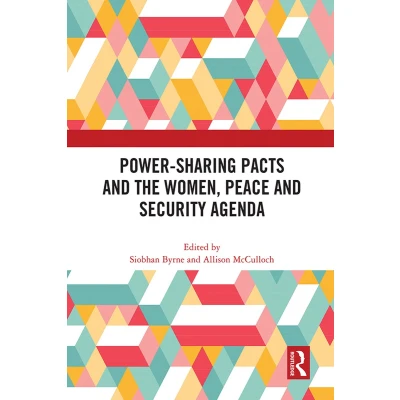
This book offers a comparative lens on the contested relationship between two leading conflict resolution norms: ethnopolitical power-sharing pacts and the women, peace and security (WPS) agenda. This book offers a comparative lens on the contested relationship between two leading conflict resolution norms: ethnopolitical power-sharing pacts and the women, peace and security (WPS) agenda. Championed by national governments and international organizations over the last two decades, power-sharing and feminist scholars and practitioners tend to view them as opposing norms. Critics charge that power-sharing scholars cast gender as an inconsequential political identity that does not motivate people like ethnonationalism. From a feminist perspective, such thinking serves the interests of ethnicized elites while excluding women and other marginalized communities from key sites of political power. This edited volume takes a different tack: while recognizing the gender gaps that still exist in power-sharing theory and practice, contributors also emphasize the constructive engagements that can be built between ethnopolitical power-sharing and gender inclusion. Three main themes are highlighted: The ‘gender silences’ of existing power-sharing arrangements The impact of gender activism and advocacy on the negotiation and implementation of power-sharing pacts in divided societies The opportunities for linkages between power-sharing and the women, peace and security agenda. The chapters in this book were originally published as a special issue of the journal Nationalism and Ethnic Politics.


Vergelijk aanbieders (1)

 Beschrijving
(1)
Beschrijving
(1)
This book offers a comparative lens on the contested relationship between two leading conflict resolution norms: ethnopolitical power-sharing pacts and the women, peace and security (WPS) agenda. This book offers a comparative lens on the contested relationship between two leading conflict resolution norms: ethnopolitical power-sharing pacts and the women, peace and security (WPS) agenda. Championed by national governments and international organizations over the last two decades, power-sharing and feminist scholars and practitioners tend to view them as opposing norms. Critics charge that power-sharing scholars cast gender as an inconsequential political identity that does not motivate people like ethnonationalism. From a feminist perspective, such thinking serves the interests of ethnicized elites while excluding women and other marginalized communities from key sites of political power. This edited volume takes a different tack: while recognizing the gender gaps that still exist in power-sharing theory and practice, contributors also emphasize the constructive engagements that can be built between ethnopolitical power-sharing and gender inclusion. Three main themes are highlighted: The ‘gender silences’ of existing power-sharing arrangements The impact of gender activism and advocacy on the negotiation and implementation of power-sharing pacts in divided societies The opportunities for linkages between power-sharing and the women, peace and security agenda. The chapters in this book were originally published as a special issue of the journal Nationalism and Ethnic Politics.
 Productspecificaties
| EAN |
|
|---|---|
| Maat |
|
 Prijshistorie
Prijzen voor het laatst bijgewerkt op:
 Gerelateerde resultaten


