
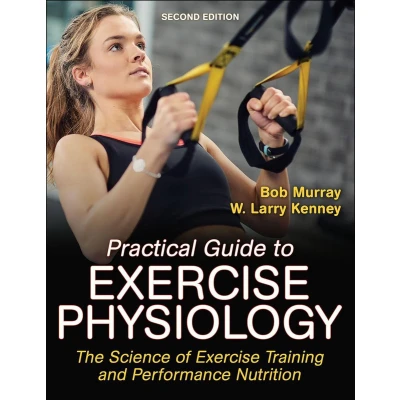
Practical Guide to Exercise Physiology
Uitgelicht

|
38,40 |
Naar shop
|

|
45,99 |
Naar shop
|
| VERGELIJK ALLE AANBIEDERS (2) | ||
 Beschrijving
Bol Partner
Practical Guide to Exercise Physiology gives health and fitness professionals the confidence to design physiologically sound exercise programs and explain to clients the science supporting the program design. Practical Guide to Exercise Physiology guides readers through the scientific concepts of exercise physiology with highly visual, easy-to-follow content. The text applies complex concepts of physiology to exercise program design, giving personal trainers, strength and conditioning specialists, and other health and fitness professionals an accessible resource to use with their clients. Written specifically for those in the fitness industry, the text covers various training goals and considerations when working with clients and athletes at all levels. This guide takes an application-based approach in describing intricate physiological processes so that professionals can select and explain the appropriate exercises and physical activity regimens for clients. The text is complemented by medical artwork that puts complex systems in a digestible visual context. These systems are then applied to real-world practice through explanations of exercises that are beneficial to specific body systems and instructions on combining various exercises to achieve the desired results. Part I of Practical Guide to Exercise Physiology is a review of the fundamentals of physiology, including muscles and muscle adaptation, bioenergetics, and the cardiorespiratory system. It also details the various activities and processes that contribute to fatigue. Part II applies and expands on this information to address the design of training programs for achieving specific goals. These goals include increasing muscle mass and strength; losing weight; and developing speed, power, and aerobic endurance. Finally, part III addresses adaptations and special considerations of these training programs, including adjustments for changes in altitude or temperature and considerations for special populations such as children, older adults, and pregnant women. Alongside the content and illustrations, Practical Guide to Exercise Physiology includes tools that apply concepts to everyday practice: • Factoid boxes engage readers with additional facts about the human body and its response to training. • Sidebars throughout the text pinpoint current topics of concern so that personal trainers and fitness professionals can prepare for and respond to these issues. • An index of common questions from clients is an easy reference on client education. • Sample training programs illustrate how the scientific concepts that guide program design are used in practice. Practical Guide to Exercise Physiology contains all the necessary information for new and current personal trainers and fitness professionals. Readers will gain confidence in designing exercise programs for various populations and the ability to explain to clients how each exercise and movement will help them achieve their goals.


 Beschrijving
(2)
Beschrijving
(2)
Practical Guide to Exercise Physiology gives health and fitness professionals the confidence to design physiologically sound exercise programs and explain to clients the science supporting the program design. Practical Guide to Exercise Physiology guides readers through the scientific concepts of exercise physiology with highly visual, easy-to-follow content. The text applies complex concepts of physiology to exercise program design, giving personal trainers, strength and conditioning specialists, and other health and fitness professionals an accessible resource to use with their clients. Written specifically for those in the fitness industry, the text covers various training goals and considerations when working with clients and athletes at all levels. This guide takes an application-based approach in describing intricate physiological processes so that professionals can select and explain the appropriate exercises and physical activity regimens for clients. The text is complemented by medical artwork that puts complex systems in a digestible visual context. These systems are then applied to real-world practice through explanations of exercises that are beneficial to specific body systems and instructions on combining various exercises to achieve the desired results. Part I of Practical Guide to Exercise Physiology is a review of the fundamentals of physiology, including muscles and muscle adaptation, bioenergetics, and the cardiorespiratory system. It also details the various activities and processes that contribute to fatigue. Part II applies and expands on this information to address the design of training programs for achieving specific goals. These goals include increasing muscle mass and strength; losing weight; and developing speed, power, and aerobic endurance. Finally, part III addresses adaptations and special considerations of these training programs, including adjustments for changes in altitude or temperature and considerations for special populations such as children, older adults, and pregnant women. Alongside the content and illustrations, Practical Guide to Exercise Physiology includes tools that apply concepts to everyday practice: • Factoid boxes engage readers with additional facts about the human body and its response to training. • Sidebars throughout the text pinpoint current topics of concern so that personal trainers and fitness professionals can prepare for and respond to these issues. • An index of common questions from clients is an easy reference on client education. • Sample training programs illustrate how the scientific concepts that guide program design are used in practice. Practical Guide to Exercise Physiology contains all the necessary information for new and current personal trainers and fitness professionals. Readers will gain confidence in designing exercise programs for various populations and the ability to explain to clients how each exercise and movement will help them achieve their goals.
BolScience comes to life with Practical Guide to Exercise Physiology, Second Edition. Taking an application-based approach, supported by vivid medical illustrations, this book provides students and health and fitness professionals with a simple and straightforward way to learn the fundamentals of human physiology, metabolism, and nutrition. Intricate physiological processes responsible for how the body responds and adapts to physical activity are described in an accessible manner so that readers can easily select appropriate training programs and explain them to others. Practical Guide to Exercise Physiology, Second Edition, is complemented by medical artwork that puts these complex systems into a digestible visual context. These systems are then applied to real-world practice and training principles that are beneficial to specific body systems to achieve the desired results. Part I of Practical Guide to Exercise Physiology, Second Edition, reviews human physiology fundamentals, including muscles and muscle adaptation, bioenergetics, and the cardiorespiratory system. Part II applies these scientific concepts to training programs designed for specific fitness goals. These goals include weight loss and improvements in strength and muscle mass, speed and power, and aerobic endurance. Part III of the text outlines special considerations for training with pregnant women and children as well as older adults. This part also includes exercise adjustments for changes in temperature and altitude. The second edition of Practical Guide to Exercise Physiology features new content on trending fitness concepts such as HIIT, periodization, and detraining. The text also provides several useful tools for practical application: Fun facts and sidebars examine current topics and engage readers with additional content about the human body’s response to training. At the end of each chapter, summary statements and review questions highlight essential information. Performance Nutrition Spotlights offer advice and tips on using nutrition to support adaptations and improve performance. The Index of Common Questions From Clients section collects the most common inquiries from clients and points to the corresponding chapter where each of those topics is covered, helping readers to quickly access the information. Practical Guide to Exercise Physiology, Second Edition, contains all the information students and fitness professionals need to understand the connection between physiology and exercise. Readers will gain confidence in designing exercise programs for various populations and in their ability to explain to clients how each exercise and movement will help them achieve their goals. Earn continuing education credits/units! A continuing education exam that uses this book is also available. It may be purchased separately or as part of a package that includes both the book and exam.
 Productspecificaties
| EAN |
|
|---|---|
| Maat |
|
 Prijshistorie
Prijzen voor het laatst bijgewerkt op:
 Gerelateerde resultaten


