


€ 85,99 Gratis verzending

Uitgelicht
|
|
85,99 |
Naar shop
|
| VERGELIJK ALLE AANBIEDERS (1) | ||
 Beschrijving
Vergelijk aanbieders (1)
€ 85,99 Gratis verzending
Winkels met andere maten
Beschrijving
(1)
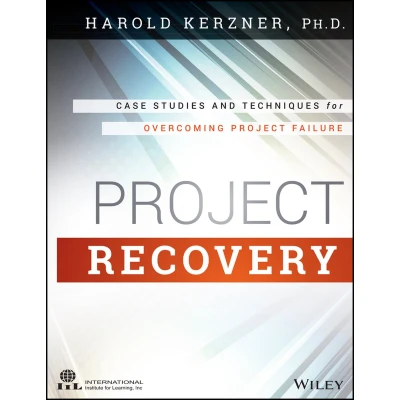
Best practices for picking up the pieces when projects fail There are plenty of books available offering best practices that help you keep your projects on track, but offer guidance on what to do when the worst has already happened. Turn failed projects around Learn from high-profile case studies and get on the road to Project Recovery In the real world, not all projects succeed. When a project has gone wrong, traditional project management techniques go out the window. But what constitutes “failure” in the first place? And what can be done about it? With nearly 50 years in project management, Dr. Harold Kerzner has the answers to these questions. Drawing from the combined experience of the global business community, he has written this book in order to demystify the recovery process. Project Recovery uses high-profile case studies from the real world of business to illustrate the best and worst of crisis management. From the Space Shuttle Challenger tragedy to problems with Boeing’s 787 Dreamliner, Project Recovery takes a microscope to well-known cases, detailing important takeaways for businesses large and small. In this book, you’ll learn how to identify troubled and failing projects by performing Project Health Checks and identifying the early warning signs of failure. Next comes identifying the root causes of the problem and selecting a Project Recovery Manager who can implement the phases of the Recovery Life Cycle. These state-of-the-art techniques are crucial for any business leader or consultant who is serious about knowing what to do when things go wrong. Each chapter of Project Recovery includes a convenient summary of lessons learned, cross-referenced according to knowledge areas from the PMBOK® Guide —Fifth Edition. Worksheets and checklists make this easy-to-follow roadmap to recover from any kind of project struggle. It isn’t always possible to avoid disaster. In fact, failures are extremely common in the business world, which is why a resource like Project Recovery is so important — learn to turn project failures into opportunities for success. Best practices for picking up the pieces when projects fail There are plenty of books available offering best practices that help you keep your projects on track, but offer guidance on what to do when the worst has already happened. Some studies show that more than half of all large-scale project fail either fail completely, or at least miss targeted budget and scheduling goals. These failures cost organizations time, money, and labor. Project Recovery offers wise guidance and real-world best practices for saving failed projects and recovering as much value as possible from the wreckage. Since failing project cannot be managed using the same lifecycle phases employed with succeeding projects, most project management professionals are unprepared to tackle the challenge of project recovery. This book presents valuable case studies and a recovery project lifecycle to help project managers identify and respond effectively to a troubled project. Includes case studies and best practices for saving failing projects or recovering projects that have already failed Written by experience project manager Howard Kerzner, the author of Project Management Best Practices, Third Edition Features proven techniques for performing project health checks and determining the degree of failure and the recovery options available Includes a new recovery lifecycle that includes phases and checklists for turning around failing projects With comprehensive case studies, checklists, worksheets, and cross listings to the appropriate project management body of knowledge, Project Recovery offers a much needed lifeline for managers facing the specter of failure.
 Productspecificaties
| EAN |
|
|---|---|
| Maat |
|
 Prijshistorie
 Prijzen voor het laatst bijgewerkt op:
 Gerelateerde resultaten


