

€ 6,53 Gratis verzending

Uitgelicht
|
|
6,53 |
Naar shop
|

|
6,53 |
Naar shop
|

|
9,50 |
Naar shop
|
| VERGELIJK ALLE AANBIEDERS (3) | ||
 Beschrijving
Vergelijk aanbieders (3)
€ 6,53 Gratis verzending
€ 6,53 Gratis verzending
€ 9,50 € 2,99 verzendkosten Totaal € 12,49
Winkels met andere maten
Beschrijving
(1)
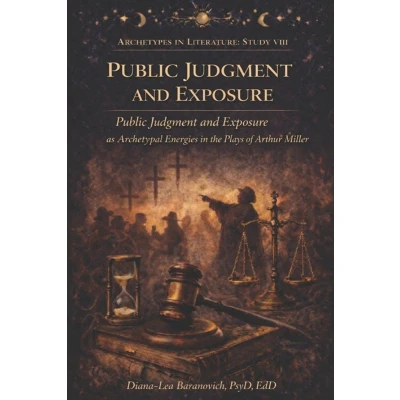
Public Judgment and Exposure examines the psychological architecture of accusation, conscience and moral responsibility in the plays of Arthur Miller. Through a depth-psychological lens, this Study explores how private moral conflict becomes public judgment and how institutions shape the experience of guilt, loyalty and truth.Beginning with All My Sons, the analysis traces how denial and inherited responsibility fracture the moral structure of family life. In Death of a Salesman, judgment becomes internalized as the individual confronts ideals that cannot be sustained. A View from the Bridge reveals the moment when private grievance seeks authority through law, while The Crucible exposes the procedural spread of accusation within systems driven by fear. In Miller's later work Broken Glass, judgment no longer requires courtroom or confession. History enters the body itself.Across these plays, Miller reveals how conscience is transformed when it must answer to public scrutiny. What begins as private moral tension becomes accusation, institutional enforcement and finally memory carried within the body.This Study forms part of the Archetypes in Literature series, which examines how psychological forces shape identity, responsibility and moral experience within literary works.
 Prijshistorie
 * Prijshistorie bevat geen data van Amazon, Amazon Marketplace.
Prijzen voor het laatst bijgewerkt op:
 Gerelateerde resultaten
 Productspecificaties


