


€ 111,30 € 109,00 Gratis verzending

Uitgelicht
|
|
111,30
109,00 |
Naar shop
|

|
111,50 |
Naar shop
|
| VERGELIJK ALLE AANBIEDERS (2) | ||
 Beschrijving
Vergelijk aanbieders (2)
€ 111,30 € 109,00 Gratis verzending
€ 111,50 Gratis verzending
Winkels met andere maten
Beschrijving
(1)
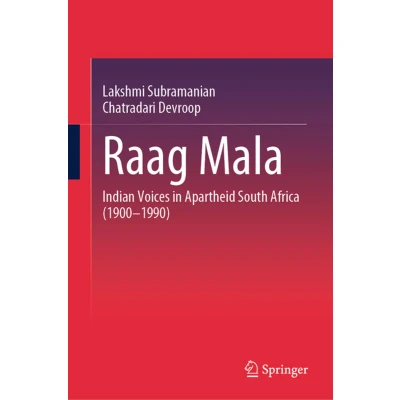
This book delves into the intricate relationship between music and identity among Indian communities in South Africa, particularly during and after apartheid. This book delves into the intricate relationship between music and identity among Indian communities in South Africa, particularly during and after apartheid. It provides an overview of existing research on music and Indian diasporic groups, highlighting the unique challenges faced by Indian South Africans in accessing and preserving their musical traditions. It explores the historical soundscapes of South Africa, detailing how restrictive conditions under apartheid influenced social interactions and music-making. The narrative examines how Indians used music as a form of political resistance, developing a distinct Indian South African sound despite severe limitations. It also investigates the evolution of popular genres like qawwali, filmi, jazz, and dance music, shaped by limited access to formal training and the overuse of technology. The book addresses the gender dynamics within the music industry, focusing on the struggles of women artists. Additionally, it discusses the role of technology in music learning and its impact on aesthetic expressions. Through interviews with musicians, the book provides a vivid account of how Indian South Africans used music to assert their identity and resist segregation. It offers valuable insights into the cross-cultural interactions and the complex ways minority groups crafted their identity in the context of apartheid politics. It is a significant resource for academicians, and music lovers interested in the culture of the Indian diaspora and the history of Indian South Africans. This book delves into the intricate relationship between music and identity among Indian communities in South Africa, particularly during and after apartheid. It provides an overview of existing research on music and Indian diasporic groups, highlighting the unique challenges faced by Indian South Africans in accessing and preserving their musical traditions. It explores the historical soundscapes of South Africa, detailing how restrictive conditions under apartheid influenced social interactions and music-making. The narrative examines how Indians used music as a form of political resistance, developing a distinct Indian South African sound despite severe limitations. It also investigates the evolution of popular genres like qawwali, filmi, jazz, and dance music, shaped by limited access to formal training and the overuse of technology. The book addresses the gender dynamics within the music industry, focusing on the struggles of women artists. Additionally, it discusses the role of technology in music learning and its impact on aesthetic expressions. Through interviews with musicians, the book provides a vivid account of how Indian South Africans used music to assert their identity and resist segregation. It offers valuable insights into the cross-cultural interactions and the complex ways minority groups crafted their identity in the context of apartheid politics. It is a significant resource for academicians, and music lovers interested in the culture of the Indian diaspora and the history of Indian South Africans.
 Prijshistorie
 * Prijshistorie bevat geen data van Amazon.
Prijzen voor het laatst bijgewerkt op:
 Gerelateerde resultaten
 Productspecificaties


