








Race in the Atlantic World, 17001900 Almost Dead
Uitgelicht

|
125,00 |
Naar shop
|
 Beschrijving
Bol
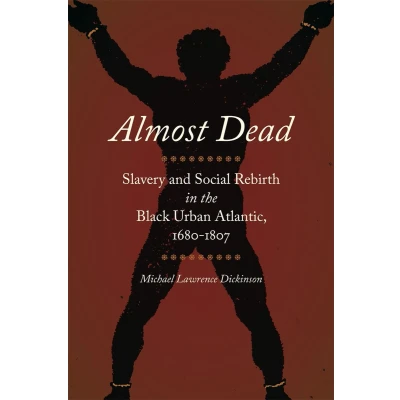
Beginning in the late seventeenth century and concluding with the abolition of the Atlantic slave trade, Almost Dead reveals how the thousands of captives who lived, bled, and resisted in the Black Urban Atlantic survived to form dynamic communities. Beginning in the late seventeenth century and concluding with the abolition of the Atlantic slave trade, Almost Dead reveals how the thousands of captives who lived, bled, and resisted in the Black Urban Atlantic survived to form dynamic communities. Michael Lawrence Dickinson uses cities with close commercial ties to shed light on similarities, variations, and linkages between urban Atlantic slave communities in mainland America and the Caribbean. The study adopts the perspectives of those enslaved to reveal that, in the eyes of the enslaved, the distinctions were often of degree rather than kind as cities throughout the Black Urban Atlantic remained spaces for Black oppression and resilience. The tenets of subjugation remained all too similar, as did captives’ need to stave off social death and hold on to their humanity. Almost Dead argues that urban environments provided unique barriers to and avenues for social rebirth: the process by which African-descended peoples reconstructed their lives individually and collectively after forced exportation from West Africa. This was an active process of cultural remembrance, continued resistance, and communal survival. It was in these urban slave communities—within the connections between neighbors and kinfolk—that the enslaved found the physical and psychological resources necessary to endure the seemingly unendurable. Whether sites of first arrival, commodification, sale, short-term captivity, or lifetime enslavement, the urban Atlantic shaped and was shaped by Black lives.


Vergelijk aanbieders (1)

 Beschrijving
(1)
Beschrijving
(1)
Beginning in the late seventeenth century and concluding with the abolition of the Atlantic slave trade, Almost Dead reveals how the thousands of captives who lived, bled, and resisted in the Black Urban Atlantic survived to form dynamic communities. Beginning in the late seventeenth century and concluding with the abolition of the Atlantic slave trade, Almost Dead reveals how the thousands of captives who lived, bled, and resisted in the Black Urban Atlantic survived to form dynamic communities. Michael Lawrence Dickinson uses cities with close commercial ties to shed light on similarities, variations, and linkages between urban Atlantic slave communities in mainland America and the Caribbean. The study adopts the perspectives of those enslaved to reveal that, in the eyes of the enslaved, the distinctions were often of degree rather than kind as cities throughout the Black Urban Atlantic remained spaces for Black oppression and resilience. The tenets of subjugation remained all too similar, as did captives’ need to stave off social death and hold on to their humanity. Almost Dead argues that urban environments provided unique barriers to and avenues for social rebirth: the process by which African-descended peoples reconstructed their lives individually and collectively after forced exportation from West Africa. This was an active process of cultural remembrance, continued resistance, and communal survival. It was in these urban slave communities—within the connections between neighbors and kinfolk—that the enslaved found the physical and psychological resources necessary to endure the seemingly unendurable. Whether sites of first arrival, commodification, sale, short-term captivity, or lifetime enslavement, the urban Atlantic shaped and was shaped by Black lives.
 Productspecificaties
| EAN |
|
|---|---|
| Maat |
|
 Prijshistorie
Prijzen voor het laatst bijgewerkt op:
 Gerelateerde resultaten


