


€ 24,00 € 2,99 verzendkosten Totaal € 26,99

Uitgelicht
|
|
24,00 |
Naar shop
|
| VERGELIJK ALLE AANBIEDERS (1) | ||
 Beschrijving
Vergelijk aanbieders (1)
€ 24,00 € 2,99 verzendkosten Totaal € 26,99
Winkels met andere maten
Beschrijving
(1)
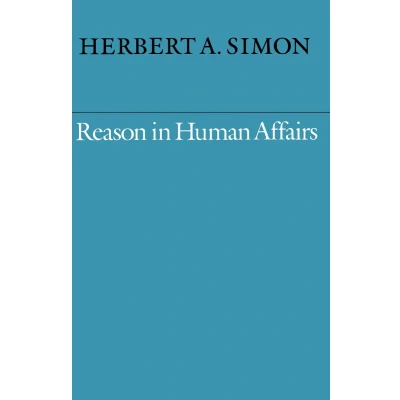
What can reason (or more broadly, thinking) do for us and what can't it do? This book explores the nature and limits of human reason, comparing and evaluating the major theoretical frameworks that have been erected to explain reasoning processes. It discusses the interaction of thinking and emotion in the choice of our actions. What can reason (or more broadly, thinking) do for us and what can't it do? This is the question examined by Herbert A. Simon, who received the 1978 Nobel Prize in Economic Sciences "for his pioneering work on decision-making processes in economic organizations." The ability to apply reason to the choice of actions is supposed to be one of the defining characteristics of our species. In the first two chapters, the author explores the nature and limits of human reason, comparing and evaluating the major theoretical frameworks that have been erected to explain reasoning processes. He also discusses the interaction of thinking and emotion in the choice of our actions. In the third and final chapter, the author applies the theory of bounded rationality to social institutions and human behavior, and points out the problems created by limited attention span human inability to deal with more than one difficult problem at a time. He concludes that we must recognize the limitations on our capabilities for rational choice and pursue goals that, in their tentativeness and flexibility, are compatible with those limits.
 Productspecificaties
| EAN |
|
|---|---|
| Maat |
|
 Prijshistorie
 Prijzen voor het laatst bijgewerkt op:
 Gerelateerde resultaten


