


€ 84,35 Gratis verzending

Gesponsorde links
|
|
84,35 |
Naar shop
|

|
92,08 |
Naar shop
|

|
92,08 |
Naar shop
|
| VERGELIJK ALLE AANBIEDERS (3) | ||
 Beschrijving
Vergelijk aanbieders (3)
Gesponsorde links · Sommige shops betalen ons een vergoeding
€ 84,35 Gratis verzending
€ 92,08 Gratis verzending
€ 92,08 Gratis verzending
Winkels met andere maten
Beschrijving
(1)
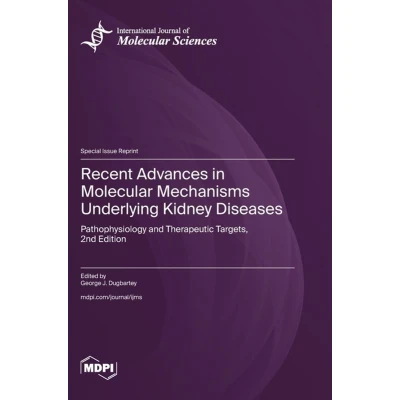
Kidney diseases remain a major public health concern associated with increasing morbidity and mortality of millions of people globally. Unfortunately, the prevalence of kidney diseases has increased significantly in recent times. Their pathological hallmarks include excessive accumulation and deposition of the extracellular matrix, mesangiolysis, thickening of the glomerular basement membrane, tubulointerstitial fibrosis, and many more, eventually leading to the loss of kidney function. As the pathogenesis of kidney diseases is multifactorial, several experimental models have recently been developed to mimic clinical situations and provide a mechanistic understanding of various renal pathologies, in order to identify and develop potential therapeutic targets. These experimental models have identified several underlying molecular mechanisms, including the following: the PI3K/Akt/mTOR, Jak/Stat, and inflammatory signaling pathways; activation of the renal hydrogen sulfide system; induction of oxidative and endoplasmic reticulum stress and apoptotic pathways; activation of fibroblasts and the renin-angiotensin-aldosterone system; and mitochondrial dysfunction. The targeting of these molecular mechanisms has proven to be beneficial and offers huge potential for exploration, making it amenable to novel therapies. This Special Issue focuses on recent developments in the pathophysiology of kidney diseases and their therapeutic targets for diagnosis and treatment.
 Prijshistorie
* Prijshistorie bevat geen data van Amazon, Amazon Marketplace.
Prijzen voor het laatst bijgewerkt op:
 Gerelateerde resultaten
 Productspecificaties


