

€ 9,70 Gratis verzending

Gesponsorde links
|
|
9,70 |
Naar shop
|

|
9,70 |
Naar shop
|

|
11,50 |
Naar shop
|
| VERGELIJK ALLE AANBIEDERS (3) | ||
 Beschrijving
Vergelijk aanbieders (3)
Gesponsorde links · Sommige shops betalen ons een vergoeding
€ 9,70 Gratis verzending
€ 9,70 Gratis verzending
€ 11,50 € 2,99 verzendkosten Totaal € 14,49
Winkels met andere maten
Beschrijving
(1)
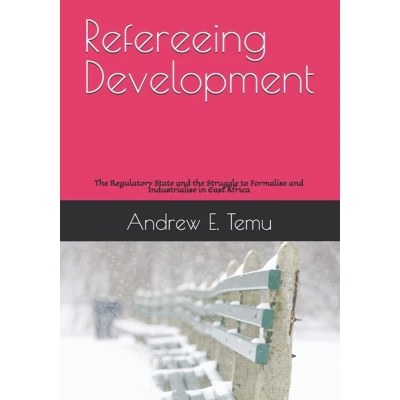
Why do economies grow and yet fail to industrialise? Why do decades of formalisation drives leave most firms informal? This book finds a missing part of the answer where few have looked: in the architecture of the regulatory state itself, the estate of authorities, boards and agencies standing between a firm and the formal economy. The evidence comes from a natural comparison. Three East African neighbours, sharing a region, a market and much of their administrative inheritance, arranged their regulatory estates in three different ways. Tanzania let its bodies multiply, one hundred and eleven across twenty-three sectors, counted here for the first time, and never connected them. Rwanda gathered its bodies into a few strong ones. Kenya left its many bodies standing but wired them together, so that a firm meets them through one door. What followed for firms in each country is the story of this book. Built on a full census of the Tanzanian estate, audited public accounts read body by body, and a scoring method any reform team can apply, the book shows that what a regulatory estate does to a country's transformation is not a matter of fate. The estate was constructed; it can be redrawn. Written in plain language for scholars and practitioners alike: the permanent secretary, the head of an authority, the reform team, and any reader of the South who suspects the referee of development has grown beyond anyone's design.
 Prijshistorie
* Prijshistorie bevat geen data van Amazon, Amazon Marketplace.
Prijzen voor het laatst bijgewerkt op:
 Gerelateerde resultaten
 Productspecificaties


