
Religion and Film Cinema the Recreation of World
Uitgelicht

|
15,79 |
Naar shop
|

|
30,13 |
Naar shop
|
| VERGELIJK ALLE AANBIEDERS (2) | ||
 Beschrijving
Bol
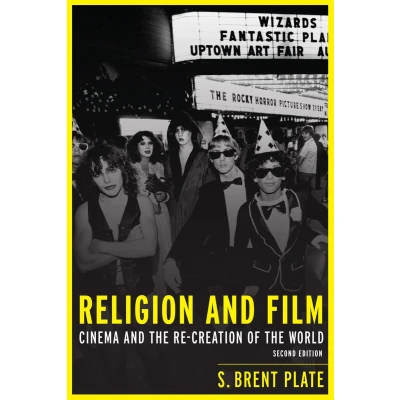
Religion and Film introduces readers to both religious studies and film studies by focusing on the formal similarities between cinema and religious practices and on the ways they each re-create the world. S. Brent Plate shows that by paying attention to the ways films are constructed, we can shed new light on myths and rituals and vice versa. From faint-inducing supernatural horror films to the mythologies of science fiction, from midnight screenings that prompt the creation of new rituals to pilgrimages inspired by films, cinema and religious life are intertwined. Religion and Film seeks out the frames, foci, and bodily engagements that are central to both cinema and religious practices. By analyzing the ways films are made and experienced, S. Brent Plate sheds new light on the ways religious myths, rituals, and symbols are produced and used, and vice versa. This thoroughly expanded and revised edition includes new chapters that offer theories and methods for thinking about cinema in a manner that more fully connects film studies with religious studies. Attention is paid to the production of space, race, and gender on screen, as well as the afterlives of films and the sensual, bodily encounters at the altar and on the screen. Religion and cinema share a capacity for world making, ritualizing, mythologizing, and creating sacred time and space. Through cinematography, mise-en-scene, editing, and other production activities, film takes the world "out there" and refashions it. Religion achieves similar ends by setting apart particular objects and periods of time, telling stories, and gathering people together for communal actions and concentrated focus. The result of both cinema and religious practice is a re-created world: a world of fantasy, a world of ideology, a world we long to live in, or a world we wish to avoid at all costs. Religion and Film introduces readers to both religious studies and film studies by focusing on the formal similarities between cinema and religious practices and on the ways they each re-create the world. Explorations of film show how the cinematic experience relies on similar aesthetic devices on which religious rituals have long relied: sight, sound, the taste of food, the body, and communal experience. Meanwhile, a deeper understanding of the aesthetic nature of religious rituals can alter our understanding of film production. Utilizing terminology and theoretical insights from the study of religion as well as the study of film, Religion and Film shows that by paying attention to the ways films are constructed, we can shed new light on the ways religious myths and rituals are constructed and vice versa. This thoroughly revised and expanded new edition is designed to appeal to the needs of courses in religion as well as film departments. In addition to two new chapters, this edition has been restructured into three distinct sections that offer students and instructors theories and methods for thinking about cinema in ways that more fully connect film studies with religious studies.


 Beschrijving
(1)
Beschrijving
(1)
Religion and Film introduces readers to both religious studies and film studies by focusing on the formal similarities between cinema and religious practices and on the ways they each re-create the world. S. Brent Plate shows that by paying attention to the ways films are constructed, we can shed new light on myths and rituals and vice versa. From faint-inducing supernatural horror films to the mythologies of science fiction, from midnight screenings that prompt the creation of new rituals to pilgrimages inspired by films, cinema and religious life are intertwined. Religion and Film seeks out the frames, foci, and bodily engagements that are central to both cinema and religious practices. By analyzing the ways films are made and experienced, S. Brent Plate sheds new light on the ways religious myths, rituals, and symbols are produced and used, and vice versa. This thoroughly expanded and revised edition includes new chapters that offer theories and methods for thinking about cinema in a manner that more fully connects film studies with religious studies. Attention is paid to the production of space, race, and gender on screen, as well as the afterlives of films and the sensual, bodily encounters at the altar and on the screen. Religion and cinema share a capacity for world making, ritualizing, mythologizing, and creating sacred time and space. Through cinematography, mise-en-scene, editing, and other production activities, film takes the world "out there" and refashions it. Religion achieves similar ends by setting apart particular objects and periods of time, telling stories, and gathering people together for communal actions and concentrated focus. The result of both cinema and religious practice is a re-created world: a world of fantasy, a world of ideology, a world we long to live in, or a world we wish to avoid at all costs. Religion and Film introduces readers to both religious studies and film studies by focusing on the formal similarities between cinema and religious practices and on the ways they each re-create the world. Explorations of film show how the cinematic experience relies on similar aesthetic devices on which religious rituals have long relied: sight, sound, the taste of food, the body, and communal experience. Meanwhile, a deeper understanding of the aesthetic nature of religious rituals can alter our understanding of film production. Utilizing terminology and theoretical insights from the study of religion as well as the study of film, Religion and Film shows that by paying attention to the ways films are constructed, we can shed new light on the ways religious myths and rituals are constructed and vice versa. This thoroughly revised and expanded new edition is designed to appeal to the needs of courses in religion as well as film departments. In addition to two new chapters, this edition has been restructured into three distinct sections that offer students and instructors theories and methods for thinking about cinema in ways that more fully connect film studies with religious studies.
 Productspecificaties
 Prijshistorie
* Prijshistorie bevat geen data van Amazon.
Prijzen voor het laatst bijgewerkt op:
 Gerelateerde resultaten


