


€ 34,99 Gratis verzending

Gesponsorde links
|
|
34,99 |
Naar shop
|

|
36,50 |
Naar shop
|

|
36,50 |
Naar shop
|
| VERGELIJK ALLE AANBIEDERS (3) | ||
 Beschrijving
Vergelijk aanbieders (3)
Gesponsorde links · Sommige shops betalen ons een vergoeding
€ 34,99 Gratis verzending
€ 36,50 Gratis verzending
€ 36,50 Gratis verzending
Winkels met andere maten
Beschrijving
(1)
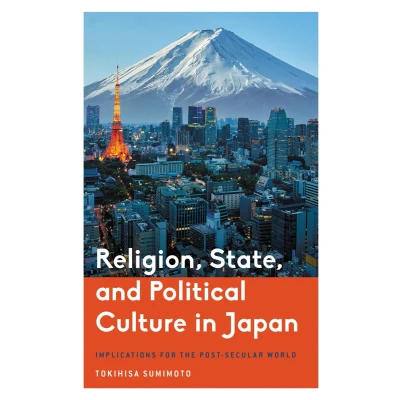
Japan had developed a secular civilization long before going through its modern period, characterized by the officially-sanctioned unification of nationalism and state-worship that reached its apotheosis during World War II, followed by the economic growth-oriented post-war period. While the relationship between religion and state has varied significantly over time, what has been consistently observed throughout Japan’s history is the absence of religions that are socially influential but independent from the state, or the absence of a dualistic relationship between religion and state. The kind of political ethos that should underpin democratic principles such as the rule of law and human rights has remained underdeveloped. This book examines the concept of “reconstructive postmodernism,” a perspective that has emerged from a normative approach to international relations that emphasizes the need to democratize and humanize the secularistic civilizations based on the reconstruction of spirituality and religiosity. Using this concept, this book offers a number of implications of its findings to the case of Japan and for global governance in the post-secular age more broadly.
 Prijshistorie
* Prijshistorie bevat geen data van Amazon, Amazon Marketplace.
Prijzen voor het laatst bijgewerkt op:
 Gerelateerde resultaten
 Productspecificaties


