

€ 105,22 € 3,14 verzendkosten Totaal € 108,36

Uitgelicht
|
|
105,22 |
Naar shop
|

|
119,00 |
Naar shop
|
| VERGELIJK ALLE AANBIEDERS (2) | ||
 Beschrijving
Vergelijk aanbieders (2)
€ 105,22 € 3,14 verzendkosten Totaal € 108,36
€ 119,00 Gratis verzending
Winkels met andere maten
Beschrijving
(1)
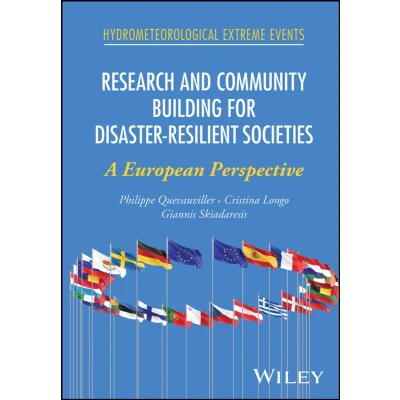
LESSONS FROM A DECADE OF EUROPEAN DISASTER MANAGEMENT RESEARCH EXPLAINED FOR PRACTITIONERS WORLDWIDE Climate threats, pandemics, and humanitarian crises demand coordinated disaster risk reduction strategies. Research and Community Building for Disaster-Resilient Societies synthesizes a decade of research and practical experience from EU countries and organisations. This final volume in the Hydrometeorological Extreme Events series provides a critical evaluation of modern community-based approaches to disaster management, extending beyond hydrometeorological hazards to other geohazards, nuclear and biohazards, as well as large-scale medical emergencies. The book delivers a critical evaluation of European disaster risk reduction policies, research trends, and networking efforts, particularly the Community for European Research and Innovation for Security (CERIS) initiative. It examines approaches to prevention, mitigation, preparedness, threat monitoring, response and recovery while also highlighting human factors and effective crisis communication. Readers will find: Inside perspectives on Europe’s largest and most thoroughly researched disaster mitigation programs developed through successive EU Framework Programmes Community-based approaches that integrate human factors and effective communication strategies essential for coordinated disaster response and recovery efforts Policy backgrounds connecting research activities to internationally accepted frameworks since the early 2010s, including the Sendai Framework for Action Networking and community-building models demonstrating how multi-stakeholder collaboration strengthens disaster resilience across regional and national boundaries Coverage spanning hydrometeorological events, geohazards, medical emergencies, and security threats for comprehensive disaster risk understanding Designed for scientists and practitioners in disaster risk management, this volume also serves policymakers, industry professionals, civil society organizations, and regional authorities. It delivers actionable insights from a decade of coordinated European research supporting effective disaster prevention, response, and recovery strategies. LESSONS FROM A DECADE OF EUROPEAN DISASTER MANAGEMENT RESEARCH EXPLAINED FOR PRACTITIONERS WORLDWIDE Climate threats, pandemics, and humanitarian crises demand coordinated disaster risk reduction strategies. Research and Community Building for Disaster-Resilient Societies synthesizes a decade of research and practical experience from EU countries and organisations. This final volume in the Hydrometeorological Extreme Events series provides a critical evaluation of modern community-based approaches to disaster management, extending beyond hydrometeorological hazards to other geohazards, nuclear and biohazards, as well as large-scale medical emergencies. The book delivers a critical evaluation of European disaster risk reduction policies, research trends, and networking efforts, particularly the Community for European Research and Innovation for Security (CERIS) initiative. It examines approaches to prevention, mitigation, preparedness, threat monitoring, response and recovery while also highlighting human factors and effective crisis communication. Readers will find: Inside perspectives on Europe’s largest and most thoroughly researched disaster mitigation programs developed through successive EU Framework Programmes Community-based approaches that integrate human factors and effective communication strategies essential for coordinated disaster response and recovery efforts Policy backgrounds connecting research activities to internationally accepted frameworks since the early 2010s, including the Sendai Framework for Action Networking and community-building models demonstrating how multi-stakeholder collaboration strengthens disaster resilience across regional and national boundaries Coverage spanning hydrometeorological events, geohazards, medical emergencies, and security threats for comprehensive disaster risk understanding Designed for scientists and practitioners in disaster risk management, this volume also serves policymakers, industry professionals, civil society organizations, and regional authorities. It delivers actionable insights from a decade of coordinated European research supporting effective disaster prevention, response, and recovery strategies.
 Prijshistorie
 * Prijshistorie bevat geen data van Amazon.
Prijzen voor het laatst bijgewerkt op:
 Gerelateerde resultaten
 Productspecificaties


