


€ 66,90 Gratis verzending

Uitgelicht
|
|
66,90 |
Naar shop
|

|
84,38 |
Naar shop
|
| VERGELIJK ALLE AANBIEDERS (2) | ||
 Beschrijving
Vergelijk aanbieders (2)
€ 66,90 Gratis verzending
€ 84,38 € 6,31 verzendkosten Totaal € 90,69
Winkels met andere maten
Beschrijving
(1)
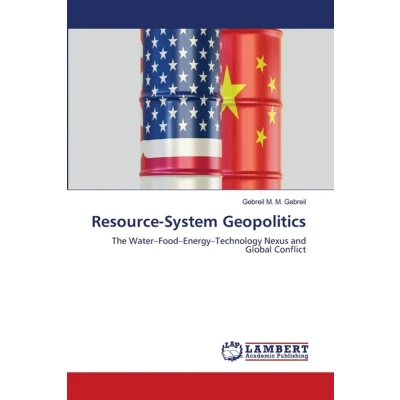
This book examines how global conflict dynamics are reshaped by the interconnected water-food-energy-technology nexus. It argues that contemporary instability no longer arises from isolated geopolitical or military pressures but from systemic interdependence across critical resource systems. Water scarcity, food insecurity, energy transitions, and technological dependence function as coupled drivers of cascading global risk. Climate change intensifies these interactions by increasing the frequency, scale, and synchronization of shocks across regions and sectors. The work integrates insights from geopolitical theory, environmental security, and technological governance to construct a unified framework for understanding modern systemic fragility. It concludes that effective twenty-first-century governance must shift from managing individual resources to governing their interconnections. Building resilience therefore requires cross-sector coordination, adaptive policy design, and systems-based planning to navigate a world where disruptions rapidly propagate through energy grids, food systems, water infrastructures, and digital networks.
 Prijshistorie
 * Prijshistorie bevat geen data van Amazon.
Prijzen voor het laatst bijgewerkt op:
 Gerelateerde resultaten
 Productspecificaties


