


€ 15,99 Gratis verzending

Uitgelicht
|
|
15,99 |
Naar shop
|
| VERGELIJK ALLE AANBIEDERS (1) | ||
 Beschrijving
Vergelijk aanbieders (1)
€ 15,99 Gratis verzending
Winkels met andere maten
Beschrijving
(1)
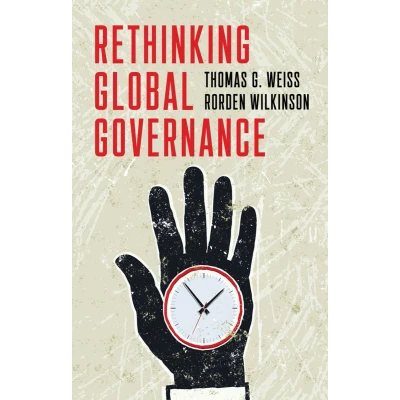
Rethinking Global Governance casts fresh eyes upon a once poignant but now languishing concept. Its purpose is to disrupt the simple association between global governance and the actions and activities of international organizations in the post-Cold War era and to focus instead on a set of questions that probe the intricate and multifaceted manner in which the world is governed. The book moves beyond the ubiquity and imprecision that has plagued the term and offers an intellectual framework with the potential to improve both thinking and practice. Building on the analytical insights of two of the leading scholars in the field, Rethinking Global Governance provides an antidote to simplistic usage and an authoritative yet readable attempt to grasp the governance of our globe — past, present, and future.
 Productspecificaties
| EAN |
|
|---|---|
| Maat |
|
 Prijshistorie
 Prijzen voor het laatst bijgewerkt op:
 Gerelateerde resultaten


