


€ 158,40 Gratis verzending

Uitgelicht
|
|
158,40 |
Naar shop
|

|
176,14 |
Naar shop
|
| VERGELIJK ALLE AANBIEDERS (2) | ||
 Beschrijving
Vergelijk aanbieders (2)
€ 158,40 Gratis verzending
€ 176,14 Gratis verzending
Winkels met andere maten
Beschrijving
(1)
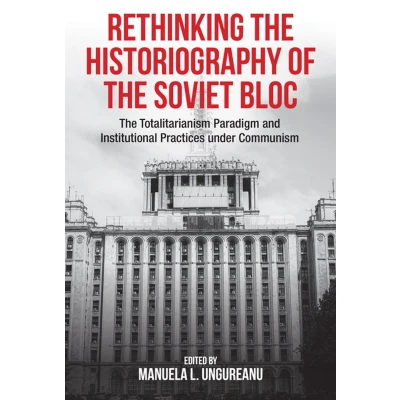
Addressing polarized narratives of authoritarian control and societal resistance, this volume reconsiders the totalitarianism paradigm in the study of the Soviet Bloc. Historians, philosophers, and literary scholars explore both its enduring explanatory power and its conceptual limits, drawing on insights from social epistemology and the history of social sciences. Case studies on Czechoslovakia, Romania, Poland, Hungary, the former GDR, Ukraine and the Soviet Union reveal how education, publishing, and cultural production shaped institutional life and intra-bloc interactions. The contributions develop new historiographical standards for understanding the complex interplay between imperial influence and local agency across the diverse societies of the former socialist world, while exploring the potential of various social-theoretical frameworks.
 Prijshistorie
 * Prijshistorie bevat geen data van Amazon.
Prijzen voor het laatst bijgewerkt op:
 Gerelateerde resultaten
 Productspecificaties


