


€ 19,78 € 2,99 verzendkosten Totaal € 22,77

Uitgelicht
|
|
19,78 |
Naar shop
|

|
21,29 |
Naar shop
|

|
21,29 |
Naar shop
|
| VERGELIJK ALLE AANBIEDERS (3) | ||
 Beschrijving
Vergelijk aanbieders (3)
€ 19,78 € 2,99 verzendkosten Totaal € 22,77
€ 21,29 Gratis verzending
€ 21,29 Gratis verzending
Winkels met andere maten
Beschrijving
(1)
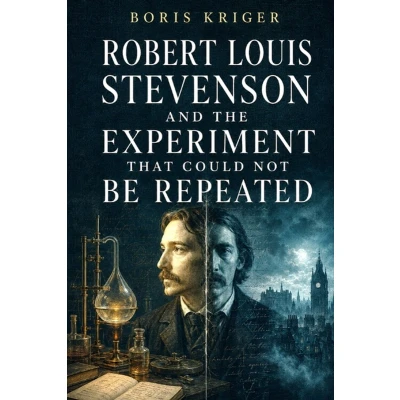
Everyone knows what Jekyll and Hyde means. A respectable man harbors a beast. The beast gets out. The phrase has become shorthand for anyone whose temper is unreliable before lunch. The trouble is that the book says nothing of the kind, and says so at length. Read the confession Stevenson actually wrote and a different story appears. Jekyll never claims to have been good. The drug he brews does not sort virtue from vice; it releases whatever has been kept out of sight. Hyde arrives smaller and younger than the man who made him, because the life he was made from had barely been lived, and he grows only through use. Every witness who meets him reports a deformity, and not one of them can say what it is. Before he has a body he has paperwork: a will, a signature, a rented door on a back street. And the compound that started the whole affair worked only because the first batch of salt was contaminated, so the central experiment of the story is one that its own author declares can never be run again. This is a book about that impurity, and about the man who put it there. Robert Louis Stevenson grew up in a city with two faces, in a family that built lighthouses, as the son who refused the family trade and then the family God. He was an invalid who wrote the finest fights in English, a Scot who died on a Pacific mountain, a novelist who took on three colonial empires in a pamphlet, and a serious artist whom the twentieth century filed on the children's shelf for seventy years. >Keywords: Stevenson, Jekyll and Hyde, identity, Victorian literature, psychology, Edinburgh, self-knowledge
 Prijshistorie
 * Prijshistorie bevat geen data van Amazon, Amazon Marketplace.
Prijzen voor het laatst bijgewerkt op:
 Gerelateerde resultaten
 Productspecificaties


