


€ 75,99 Gratis verzending

Uitgelicht
|
|
75,99 |
Naar shop
|

|
100,12 |
Naar shop
|
| VERGELIJK ALLE AANBIEDERS (2) | ||
 Beschrijving
Vergelijk aanbieders (2)
€ 75,99 Gratis verzending
€ 100,12 € 6,39 verzendkosten Totaal € 106,51
Winkels met andere maten
Beschrijving
(1)
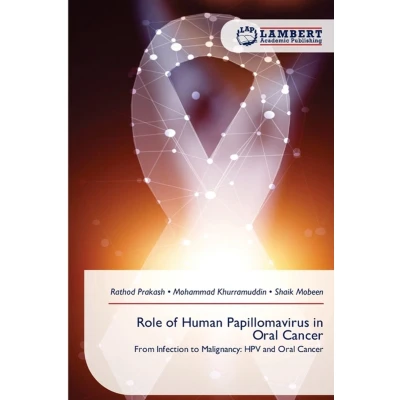
Human Papillomavirus (HPV) is a DNA virus that infects the epithelial cells of the skin and mucous membranes. High-risk HPV types, particularly HPV-16 and HPV-18, are recognized as important risk factors in the development of oral and oropharyngeal cancers. In recent years, the incidence of HPV-associated oral cancers has increased globally, highlighting the need for greater awareness and research in this field. The carcinogenic potential of HPV is mainly due to the viral oncoproteins E6 and E7. These proteins disrupt normal cell cycle regulation by inactivating the tumor suppressor proteins p53 and retinoblastoma (Rb). As a result, infected cells undergo uncontrolled proliferation, accumulate genetic mutations, and may eventually transform into malignant cells. Persistent infection with high-risk HPV strains is therefore a significant contributor to oral carcinogenesis. HPV-positive oral cancers differ from traditional oral cancers associated with tobacco and alcohol use. They often occur in younger individuals and are characterized by distinct molecular and clinical features. Importantly, patients with HPV-related oral cancers generally exhibit a better response to treatment.
 Prijshistorie
 * Prijshistorie bevat geen data van Amazon.
Prijzen voor het laatst bijgewerkt op:
 Gerelateerde resultaten
 Productspecificaties


