

€ 16,63 Gratis verzending

Uitgelicht
|
|
16,63 |
Naar shop
|

|
18,00 |
Naar shop
|
| VERGELIJK ALLE AANBIEDERS (2) | ||
 Beschrijving
Vergelijk aanbieders (2)
€ 16,63 Gratis verzending
€ 18,00 € 2,99 verzendkosten Totaal € 20,99
Winkels met andere maten
Beschrijving
(1)
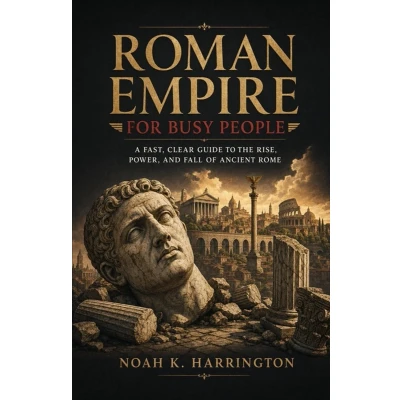
In September 476, the Roman Empire ended, and almost nobody noticed. Understanding why is the key to everything else. You know the pieces: Caesar, gladiators, "the fall." What's missing is the map that connects them. The famous histories either stop early, run to a thousand pages, or sprint through the emperor list so fast the names blur and readers lose the plot. If you want the big picture of Rome, concise yet compelling, without getting lost in names and dates, the shelf has made you choose between depth and a finish line. This book refuses that choice. It tells the full arc, from a village of runaways to master of sixty million people to the quiet ending of 476 and the second Rome that ran on to 1453, and it tells it through how the thing actually worked. Rome ran on three engines: a citizenship system that turned defeated enemies into soldiers, an army that was the state's skeleton and its standing danger, and a grid of roads, law, and administration that governed an empire with almost no bureaucrats. Watch the engines start, run, strain, and fail, and a thousand years of history snaps into focus. The book strips away the academic treatment while keeping the substance: contested numbers come as honest ranges, and the great debate over why Rome fell is shown as the live argument it is, with the historians named. Inside this book: - The republic's rise, and how winning the Mediterranean destroyed the system that won it- The engine room of empire: the army's payroll, the grain fleets, Roman law, and the skeleton crew that governed sixty million- Plague, inflation, and crisis: the long test that broke the West and spared the East- Why Rome fell, told as the fifteen-hundred-year argument it really is, plus the legacy running through your courtroom and calendar today > Finish this book, and you will never read a "new Rome" headline the same way again.
 Prijshistorie
 * Prijshistorie bevat geen data van Amazon.
Prijzen voor het laatst bijgewerkt op:
 Gerelateerde resultaten
 Productspecificaties


