


€ 46,99 Gratis verzending

Uitgelicht
|
|
46,99 |
Naar shop
|

|
57,88 |
Naar shop
|

|
57,88 |
Naar shop
|
| VERGELIJK ALLE AANBIEDERS (3) | ||
 Beschrijving
Vergelijk aanbieders (3)
€ 46,99 Gratis verzending
€ 57,88 € 5,05 verzendkosten Totaal € 62,93
€ 57,88 € 5,05 verzendkosten Totaal € 62,93
Winkels met andere maten
Beschrijving
(1)
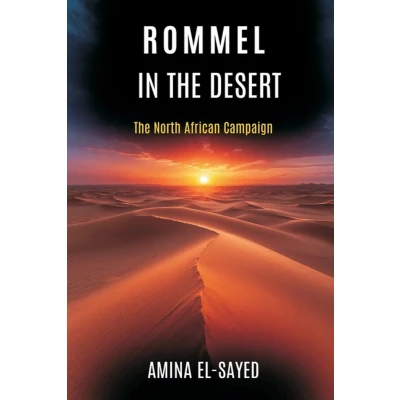
In the North African desert, armies seemed to move with astonishing speed, yet their fate depended on some of the slowest processes in war. Convoys crept across the Mediterranean, fuel dripped ashore through fragile harbours, and every extra kilometre east from Tripoli tightened a noose around Axis ambitions. Rommel in the Desert: The North African Campaign peels back the legend of the Desert Fox to reveal a theatre where desert warfare was governed as much by port capacity, pipelines, and decision cycles as by daring manoeuvre.Amina El-Sayed traces the North African campaign from Italian overreach in Libya to the final Axis retreat, showing how both sides struggled to align operations with what their infrastructure could bear. She follows convoys to Tripoli and Benghazi, supply columns across Cyrenaica, and the slow construction of the British railway and pipeline system into Egypt. Alongside these material foundations, she examines intelligence and deception, from British codebreaking to aerial reconnaissance and dummy tank parks, and shows how information flowed - or failed to flow - into command decisions on both sides. Throughout, she foregrounds operational logistics, supply lines, air-ground cooperation, and the grinding effects of attrition and replacements.Written for students, general readers, and analysts, the book offers more than narrative. It develops a structured approach to campaign analysis, asking what enabled offensives to start, how long they could be sustained, and why seemingly small errors in allocation or timing had outsized consequences in the desert. Readers come away with a reframed understanding of the North African campaign and a set of questions they can apply to other wars: where does power really come from, how far can it travel, and what hidden constraints shape the choices of commanders and governments alike?
 Prijshistorie
 * Prijshistorie bevat geen data van Amazon, Amazon Marketplace.
Prijzen voor het laatst bijgewerkt op:
 Gerelateerde resultaten
 Productspecificaties


