
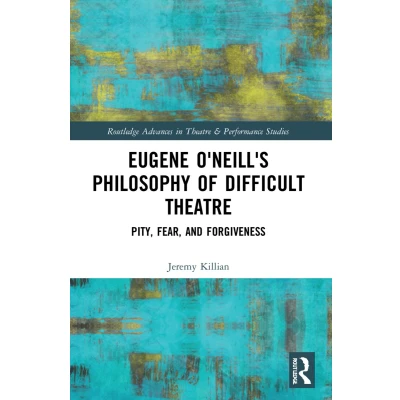
Routledge Advances in Theatre & Performance Studies Eugene O'Neill's Philosophy of Difficult
Uitgelicht

|
53,99 |
Naar shop
|
| VERGELIJK ALLE AANBIEDERS (1) | ||
 Beschrijving
Bol
Through a close re-examination of Eugene O’Neill’s oeuvre, from minor plays to his Pulitzer-winning works, this study proposes that O’Neill’s vision of tragedy privileges a particular emotional response over a more "rational" one among his audience members. Through a close re-examination of Eugene O’Neill’s oeuvre, from minor plays to his Pulitzer-winning works, this study proposes that O’Neill’s vision of tragedy privileges a particular emotional response over a more “rational” one among his audience members. In addition to offering a new paradigm through which to interpret O’Neill’s work, this book argues that O’Neill’s theory of tragedy is a robust account of the value of difficult theatre as a whole, with more explanatory scope and power than its cognitivist counterparts. This paradigm reshapes our understanding of live theatrical tragedy’s impact and significance for our lives. The book enters the discussion of tragic value by way of the plays of Eugene O’Neill, and through this study, Killian makes the case that O’Neill has refused to allow Plato to define the terms of tragedy’s merit, as the cognitivists have. He argues that O’Neill’s theory of tragedy is non-cognitive and locates the value of a play in its ability to trigger certain emotional responses from the audience. This would be of great interest to students and scholars of performance studies, literature and philosophy.


Vergelijk aanbieders (1)

 Beschrijving
(1)
Beschrijving
(1)
Through a close re-examination of Eugene O’Neill’s oeuvre, from minor plays to his Pulitzer-winning works, this study proposes that O’Neill’s vision of tragedy privileges a particular emotional response over a more "rational" one among his audience members. Through a close re-examination of Eugene O’Neill’s oeuvre, from minor plays to his Pulitzer-winning works, this study proposes that O’Neill’s vision of tragedy privileges a particular emotional response over a more “rational” one among his audience members. In addition to offering a new paradigm through which to interpret O’Neill’s work, this book argues that O’Neill’s theory of tragedy is a robust account of the value of difficult theatre as a whole, with more explanatory scope and power than its cognitivist counterparts. This paradigm reshapes our understanding of live theatrical tragedy’s impact and significance for our lives. The book enters the discussion of tragic value by way of the plays of Eugene O’Neill, and through this study, Killian makes the case that O’Neill has refused to allow Plato to define the terms of tragedy’s merit, as the cognitivists have. He argues that O’Neill’s theory of tragedy is non-cognitive and locates the value of a play in its ability to trigger certain emotional responses from the audience. This would be of great interest to students and scholars of performance studies, literature and philosophy.
 Productspecificaties
| EAN |
|
|---|---|
| Maat |
|
 Prijshistorie
Prijzen voor het laatst bijgewerkt op:
 Gerelateerde resultaten


