


€ 66,99 Gratis verzending

Uitgelicht
|
|
66,99 |
Naar shop
|

|
67,83 |
Naar shop
|

|
67,83 |
Naar shop
|
| VERGELIJK ALLE AANBIEDERS (3) | ||
 Beschrijving
Vergelijk aanbieders (3)
€ 66,99 Gratis verzending
€ 67,83 Gratis verzending
€ 67,83 Gratis verzending
Winkels met andere maten
Beschrijving
(1)
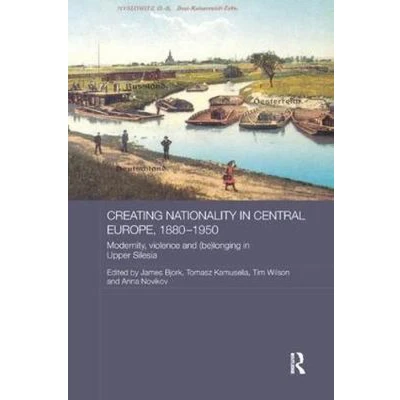
In the immediate aftermath of the WW1, Upper Silesia was the site of the largest formal exercise in self-determination in European history - the 1921 Plebiscite. This book explores a range of topics related to nationality issues in Upper Silesia and highlights the flaws at the heart of attempts to shape Europe as homogenously national polities. In the immediate aftermath of the First World War, Upper Silesia was the site of the largest formal exercise in self-determination in European history, the 1921 Plebiscite. This asked the inhabitants of Europe’s second largest industrial region the deceptively straightforward question of whether they preferred to be Germans or Poles, but spectacularly failed to clarify their national identity, demonstrating instead the strength of transnational, regionalist and sub-national allegiances, and of allegiances other than nationality, such as religion. As such Upper Silesia, which was partitioned and re-partitioned between 1922 and 1945, and subjected to Czechization, Germanization, Polonization, forced emigration, expulsion and extermination, illustrates the limits of nation-building projects and nation-building narratives imposed from outside. This book explores a range of topics related to nationality issues in Upper Silesia, putting forward the results of extensive new research. It highlights the flaws at the heart of attempts to shape Europe as homogenously national polities and compares the fate of Upper Silesia with the many other European regions where similar problems occurred.
 Prijshistorie
 * Prijshistorie bevat geen data van Amazon, Amazon Marketplace.
Prijzen voor het laatst bijgewerkt op:
 Gerelateerde resultaten
 Productspecificaties


