


€ 204,67 Gratis verzending

Gesponsorde links
|
|
204,67 |
Naar shop
|

|
224,70 |
Naar shop
|

|
224,70 |
Naar shop
|
| VERGELIJK ALLE AANBIEDERS (3) | ||
 Beschrijving
Vergelijk aanbieders (3)
Gesponsorde links · Sommige shops betalen ons een vergoeding
€ 204,67 Gratis verzending
€ 224,70 Gratis verzending
€ 224,70 Gratis verzending
Winkels met andere maten
Beschrijving
(1)
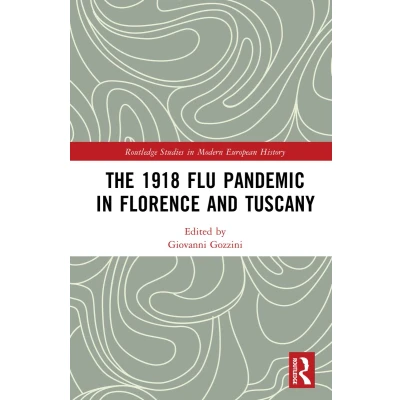
This case study of the 1918 influenza pandemic in Florence and other minor towns in Tuscany uses primary documentary sources and archival material to solve ‘three mysteries of the Spanish flu”: world synchronicity, rapidly recurring lethal waves, and its predilection to kill the young and healthy. This case study of the 1918 influenza pandemic in Florence and other minor towns in Tuscany uses primary documentary sources and archival material to solve ‘three mysteries of the Spanish flu’: world synchronicity, rapidly recurring lethal waves, and its predilection to kill the young and healthy. The ‘Spanish flu’ (a label misleadingly given after the country where news of its spread was not subject to war censorship) was the deadliest pandemic in modern history, with excess deaths globally estimated between 20 and 50 million. Why was it so deadly, especially among young adults and women in particular, and why were there three distinct pandemic waves between 1918 and 1920? The response of the Florentine and Italian institutions was slow and inadequate due to war mobilization and censorship which treated the pandemic as a ‘normal’ seasonal influenza. Civilians viewed it as a natural disaster without feeling entitled to a right to health. The book uses hospital registries, burial permits, and private letters and diaries to reconstruct personal and family stories and explore these reactions to the disease.This book is aimed at scholars, students, and general readers interested in the history and history of medicine, urban history, epidemiology, and virology.
 Prijshistorie
* Prijshistorie bevat geen data van Amazon, Amazon Marketplace.
Prijzen voor het laatst bijgewerkt op:
 Gerelateerde resultaten
 Productspecificaties


