


€ 20,00 Gratis verzending

Uitgelicht
|
|
20,00 |
Naar shop
|
| VERGELIJK ALLE AANBIEDERS (1) | ||
 Beschrijving
Vergelijk aanbieders (1)
€ 20,00 Gratis verzending
Winkels met andere maten
Beschrijving
(1)
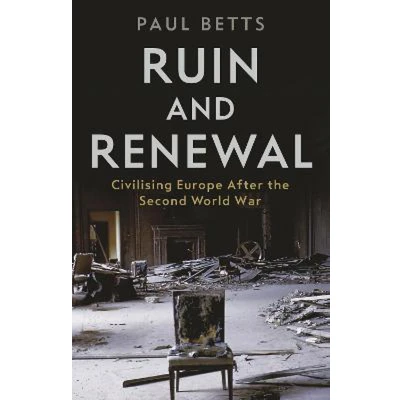
A major new history of post-war Europe 'Excellent ... much to ponder' Financial Times 'Essential reading for anyone who wants to understand the world of today' - Margaret MacMillan, author of War: How Conflict Shaped Us 'A masterpiece' David Motadel, author of Revolutionary World 1945. Europe lies in ruins - its cities and towns destroyed by conflict, its economies crippled, its societies ripped apart by war and violence. In the wake of the physical devastation came profound moral questions: how could Europe - once proudly confident of its place at the heart of the 'civilised world' - have done this to itself? And what did it mean that it had? In the years that followed, Europeans - from politicians to refugees, poets to campaigners, religious leaders to communist revolutionaries - tried to make sense of what had happened, and to forge a new concept of civilisation that would bring peace and progress to a broken continent. As they wrestled with questions great and small - from the legacy of colonialism to workplace etiquette - institutions and shared ideals emerged which still shape our world today. Rich with original sources and individual voices, this is a gripping, authoritative account of how Europe rose from the ashes of the Second World War - and forged itself anew.
 Productspecificaties
| EAN |
|
|---|---|
| Maat |
|
 Prijshistorie
 Prijzen voor het laatst bijgewerkt op:
 Gerelateerde resultaten


