


€ 15,00 € 2,99 verzendkosten Totaal € 17,99

Uitgelicht
|
|
15,00 |
Naar shop
|
| VERGELIJK ALLE AANBIEDERS (1) | ||
 Beschrijving
Vergelijk aanbieders (1)
€ 15,00 € 2,99 verzendkosten Totaal € 17,99
Winkels met andere maten
Beschrijving
(1)
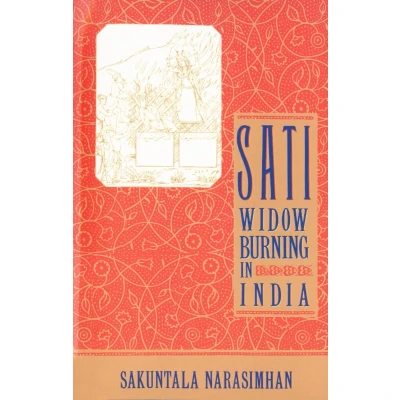
Outlines the reasons that the officially outlawed practice of sati, the burning of widows, still persists in India, indicating that the traditional role of women in this culture has changed little over time. Narasimhan delves into education, religion, compulsion, male chauvinism and the devaluation of women. Bombay journalist Narasimhan here offers an unnerving, carefully documented study of the Indian ritual whereby widows bring glory on themselves and their families by self-immolation on the pyres of their dead husbands. According to the author, the Hindi scriptures, which evolved from the second millennium B.C. to the second millennium A.D., sometimes suggest or sanction sati but this endorsement is equivocal. She further illustrates how, throughout Indian history, sati rituals must be seen as part of a wider canvas of social attitudes that denigrate women; a widow’s life is particularly wretched and even today widows are routinely excluded from various religious functions and festivities. Although sati was officially outlawed in 1829, the rite persists: the book points to the 1987 self-immolation of 18-year-old Roop Kanwar in the presence of a crowd of 4,000, an act that incited nationwide pro- and anti-sati sentiment. Narasimhan demonstrates how the combination of a number of factors; lack of education, religious and economic compulsions and male chauvinism; help to explain how a culture rooted in the tenets of compassion and nonviolence can encourage the burning of its widows.
 Productspecificaties
| EAN |
|
|---|---|
| Maat |
|
 Prijshistorie
 Prijzen voor het laatst bijgewerkt op:
 Gerelateerde resultaten


