


€ 132,00 Gratis verzending

Uitgelicht
|
|
132,00 |
Naar shop
|
| VERGELIJK ALLE AANBIEDERS (1) | ||
 Beschrijving
Vergelijk aanbieders (1)
€ 132,00 Gratis verzending
Winkels met andere maten
Beschrijving
(1)
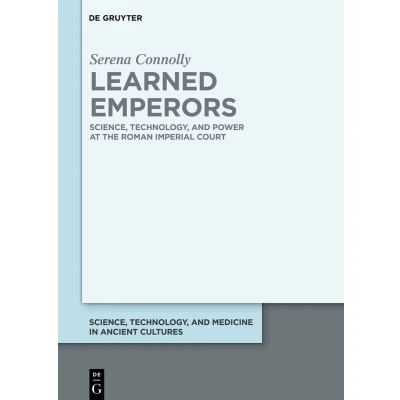
Science and technology were a source of power to Julio-Claudian emperors: professions of knowledge, discernment, and mastery of them enabled emperors to delight, entertain, awe, and even terrify their subjects. Early modern historians have explored the ways in which various European rulers employed intellectualism, specifically an interest in science and technology, as part of their personas. This book demonstrates that Roman emperors anticipated them by over a millennium. Intellectualism was not a pet interest among individual scholarly rulers, but rather a consistent feature of the emerging imperial persona of the first century CE that should be considered alongside other long-recognized sources of power, such as military prowess, physical strength, and arrogation of reverend status. Making new use of familiar texts (including the narrative accounts of historian Tacitus and the biographies of Suetonius), along with less read works (such as the Elder Pliny’s encyclopedia and Phlegon of Tralles’ paradoxography), Learned Emperors examines the intersections of science, technology, and the practice of power to propose a fresh notion of what a Roman emperor was—or professed to be.
 Productspecificaties
| EAN |
|
|---|---|
| Maat |
|
 Prijshistorie
 Prijzen voor het laatst bijgewerkt op:
 Gerelateerde resultaten


