
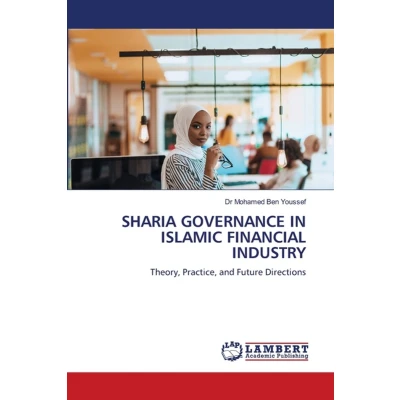
SHARIA GOVERNANCE IN ISLAMIC FINANCIAL INDUSTRY: Theory, Practice, and Future Directions
Uitgelicht

|
47,15 |
Naar shop
|

|
47,15 |
Naar shop
|

|
47,99 |
Naar shop
|
| VERGELIJK ALLE AANBIEDERS (3) | ||
 Beschrijving
Bol
A distinctive feature of Islamic financial institutions, absent in their conventional counterparts, is the requirement for a Shariah Supervisory Board (SSB). In order to ensure Shariah compliance in financial transactions and operations, each Islamic financial institution must establish an SSB to oversee, review, and certify its activities.This thesis examines the characteristics and institutional frameworks of existing central Shariah supervisory models, with particular focus on Sudan and Malaysia. It undertakes a comparative analysis of these two models in order to identify their structural strengths, governance mechanisms, and regulatory approaches. Based on this analysis, the study proposes an alternative model designed to address existing gaps and enhance the effectiveness of Shariah governance.The research adopts a qualitative descriptive methodology, relying on doctrinal analysis, regulatory review, and comparative assessment. The findings suggest that the sustainability and credibility of Shariah supervision depend primarily on the harmonization of standards, the establishment of robust governance structures, and the development of a supportive regulatory environment.


 Beschrijving
(1)
Beschrijving
(1)
A distinctive feature of Islamic financial institutions, absent in their conventional counterparts, is the requirement for a Shariah Supervisory Board (SSB). In order to ensure Shariah compliance in financial transactions and operations, each Islamic financial institution must establish an SSB to oversee, review, and certify its activities.This thesis examines the characteristics and institutional frameworks of existing central Shariah supervisory models, with particular focus on Sudan and Malaysia. It undertakes a comparative analysis of these two models in order to identify their structural strengths, governance mechanisms, and regulatory approaches. Based on this analysis, the study proposes an alternative model designed to address existing gaps and enhance the effectiveness of Shariah governance.The research adopts a qualitative descriptive methodology, relying on doctrinal analysis, regulatory review, and comparative assessment. The findings suggest that the sustainability and credibility of Shariah supervision depend primarily on the harmonization of standards, the establishment of robust governance structures, and the development of a supportive regulatory environment.
 Productspecificaties
 Prijshistorie
* Prijshistorie bevat geen data van Amazon, Amazon Marketplace.
Prijzen voor het laatst bijgewerkt op:
 Gerelateerde resultaten


