


€ 48,99 Gratis verzending

Uitgelicht
|
|
48,99 |
Naar shop
|

|
130,99 |
Naar shop
|
| VERGELIJK ALLE AANBIEDERS (2) | ||
 Beschrijving
Vergelijk aanbieders (2)
€ 48,99 Gratis verzending
€ 130,99 Gratis verzending
Winkels met andere maten
Beschrijving
(1)
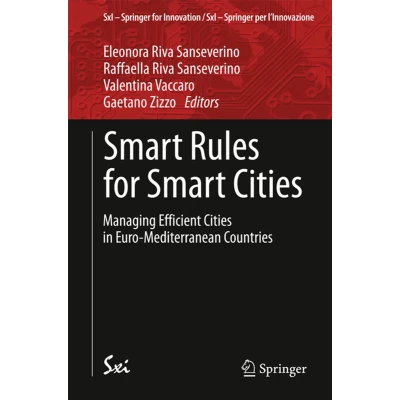
This book explores the new rules and codes that are required in order to foster the implementation of smart city technologies with a view to meeting the environmental and energy challenges posed by dynamic contemporary cities with increasing populations. This book explores the new rules and codes that are required in order to foster the implementation of smart city technologies with a view to meeting the environmental and energy challenges posed by dynamic contemporary cities with increasing populations. In particular, it proposes a methodological approach suitable for use when devising a smart urban/building code for local administrations, taking into account the current European regulatory framework (directives and technical norms) and evaluating the economic feasibility of the suggested measures. A case study is made of a large Mediterranean city in Italy that can be regarded as a paradigm of urban evolution, where a traditional individualism poses a cultural obstacle to the emerging need to share resources. Further features include a smart cities atlas, explanation of how to create local rules for sustainable building restoration/construction, and guidance on economic evaluation of the impact of building automation and passive measures for energy efficiency. The book, which has a multidisciplinary perspective, will be of value to all who are interested in the transition to smart cities that can meet sustainable development targets. This book explores the new rules and codes that are required in order to foster the implementation of smart city technologies with a view to meeting the environmental and energy challenges posed by dynamic contemporary cities with increasing populations. In particular, it proposes a methodological approach suitable for use when devising a smart urban/building code for local administrations, taking into account the current European regulatory framework (directives and technical norms) and evaluating the economic feasibility of the suggested measures. A case study is made of a large Mediterranean city in Italy that can be regarded as a paradigm of urban evolution, where a traditional individualism poses a cultural obstacle to the emerging need to share resources. Further features include a smart cities atlas, explanation of how to create local rules for sustainable building restoration/construction, and guidance on economic evaluation of the impact of building automation and passive measures for energy efficiency. The book, which has a multidisciplinary perspective, will be of value to all who are interested in the transition to smart cities that can meet sustainable development targets.
 Productspecificaties
| EAN |
|
|---|---|
| Maat |
|
 Prijshistorie
Prijzen voor het laatst bijgewerkt op:
 Gerelateerde resultaten


