
Social History, Popular Culture, and Politics in Germany Icon Dresden
Uitgelicht

|
39,99 |
Naar shop
|

|
46,97 |
Naar shop
|
| VERGELIJK ALLE AANBIEDERS (2) | ||
 Beschrijving
Bol
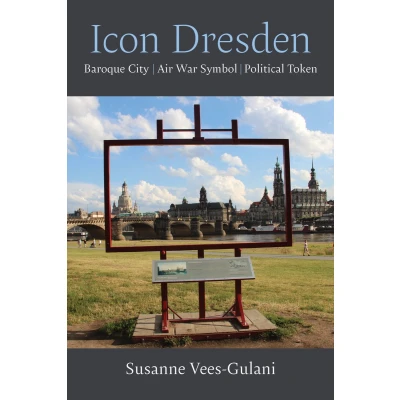
What makes a city innocent? Icon Dresden explores how memory and politics in Dresden after its 1945 bombing are deeply intertwined with the city’s urban history. It highlights the complex origins of Dresden’s reputation as an exclusively cultural center, focusing on urban planning, marketing, tourism, and the city’s visual archive since the 17th century. Based on this iconic status, a narrative of victimhood arose after its destruction that ignored responsibilities while highlighting the city’s innocence. Despite its origin in Nazi propaganda, this narrative influenced postwar political discourse in socialist and post-reunification Germany. Icon Dresden also provides insight into Dresden’s role under National Socialism and the GDR’s evasive response to this history. It reveals how the strong presence of far-right movements in the city today stems from multiple discourses formed over centuries and communicated from generation to generation. Drawing on urban, heritage, and tourism studies, visual and memory studies, and environmental psychology, Icon Dresden examines Dresden’s history, identity, visual representations, and rebuilding decisions. It exposes the narratives that define its place in German and international memory and how, paradoxically, they support both Dresden’s current image as a symbol of peace and reconciliation and its backing of nativist and far-right movements.


 Beschrijving
(2)
Beschrijving
(2)
What makes a city innocent? Icon Dresden explores how memory and politics in Dresden after its 1945 bombing are deeply intertwined with the city’s urban history. It highlights the complex origins of Dresden’s reputation as an exclusively cultural center, focusing on urban planning, marketing, tourism, and the city’s visual archive since the 17th century. Based on this iconic status, a narrative of victimhood arose after its destruction that ignored responsibilities while highlighting the city’s innocence. Despite its origin in Nazi propaganda, this narrative influenced postwar political discourse in socialist and post-reunification Germany. Icon Dresden also provides insight into Dresden’s role under National Socialism and the GDR’s evasive response to this history. It reveals how the strong presence of far-right movements in the city today stems from multiple discourses formed over centuries and communicated from generation to generation. Drawing on urban, heritage, and tourism studies, visual and memory studies, and environmental psychology, Icon Dresden examines Dresden’s history, identity, visual representations, and rebuilding decisions. It exposes the narratives that define its place in German and international memory and how, paradoxically, they support both Dresden’s current image as a symbol of peace and reconciliation and its backing of nativist and far-right movements.
AmazonPagina's: 388, Paperback, The University of Michigan Press
 Productspecificaties
 Prijshistorie
* Prijshistorie bevat geen data van Amazon.
Prijzen voor het laatst bijgewerkt op:
 Gerelateerde resultaten


