


€ 43,99 Gratis verzending

Gesponsorde links
|
|
43,99 |
Naar shop
|

|
50,32 |
Naar shop
|
| VERGELIJK ALLE AANBIEDERS (2) | ||
 Beschrijving
Vergelijk aanbieders (2)
Gesponsorde links · Sommige shops betalen ons een vergoeding
€ 43,99 Gratis verzending
€ 50,32 Gratis verzending
Winkels met andere maten
Beschrijving
(1)
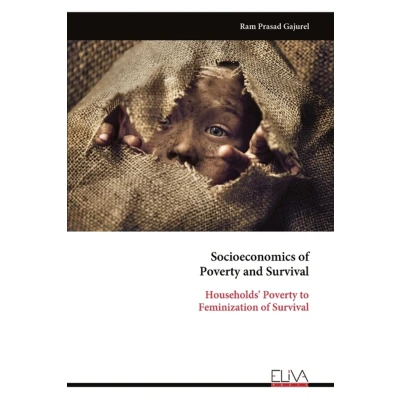
Poverty in Nepal is a multidimensional condition shaped by structural deprivation, fragile resources, and unequal opportunities, and Socioeconomics of Poverty: Households' Poverty to Feminization of Survival brings together three studies to present a connected narrative of its causes and consequences. The first study, based on 9,600 households from the Nepal Living Standards Survey IV (2022/23), shows that poverty is not determined by age, gender, or marital status but by family size, residential status, remittance inflows, nonfarm businesses, agricultural landholdings, livestock ownership, access to electricity, health and road infrastructure, dwelling conditions, and cooking fuel preferences. Larger family dependency, urban residency, reliance on firewood, and subsistence agriculture often entrap households in poverty, while remittances, diversified family businesses, electricity, and improved infrastructure provide pathways out, highlighting the need for policies that reduce agricultural dependence and expand physical and social overheads. The second study, using time¿series data from 1990 to 2021 and econometric techniques, examines human capital and finds that health investment is particularly effective in reducing poverty sustainably, while education spending has only temporary effects though it contributes positively to capital formation, employment, and human development indicators; thus, balanced investment in both health and education is essential to enhance quality of life, generate employment, and support income growth. The third study explores the feminization of survival, focusing on women left behind after male absenteeism due to bereavement, abandonment, or migration, and through surveys and case studies it documents socioeconomic and health consequences including insufficient income, lack of land access, minimal opportunities for alternative employment, deprivation of basic needs, social isolation, loss of emotional support, and inadequate resources for food, healthcare, and parenting. Survival becomes feminized as these women navigate poverty with constrained agency in patriarchal contexts, and the study calls for economic safety nets.
 Prijshistorie
* Prijshistorie bevat geen data van Amazon.
Prijzen voor het laatst bijgewerkt op:
 Gerelateerde resultaten
 Productspecificaties


