


€ 139,00 Gratis verzending

Uitgelicht
|
|
139,00 |
Naar shop
|
| VERGELIJK ALLE AANBIEDERS (1) | ||
 Beschrijving
Vergelijk aanbieders (1)
€ 139,00 Gratis verzending
Winkels met andere maten
Beschrijving
(1)
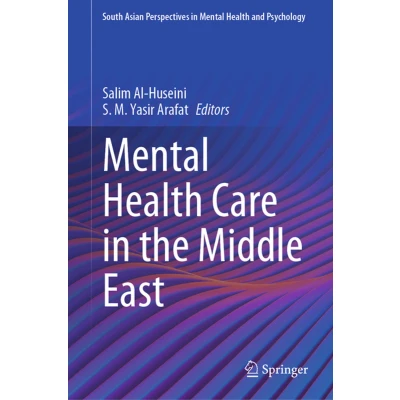
This book aims to provide a comparative analysis of mental health service delivery in the Middle East to shed light on challenges and disparities in access to care. This book aims to provide a comparative analysis of mental health service delivery in the Middle East to shed light on challenges and disparities in access to care. The Middle East is a region rich in diversity, covering various countries and cultures. Most observers have attested to the view that countries in the Middle East have a substantial treatment gap for people with mental illness. Only a tiny fraction of the population with mental illness can access evidence-based mental health care. There are multiple challenges associated with this region, including insufficient funding and research, a shortage of skilled professionals, substantial out-of-pocket expenses, low levels of mental health literacy, income inequality, and a high level of stigma. While governments are making efforts to address this gap through improved mental health policies and programmes, providing mental health care to all those in need remains a significant challenge. In addition, many Middle East countries are contending with conflicts, wars, terrorism, and all of which can potentially give rise to various behavioural and mental disorders. This book aims to provide a comparative analysis of mental health service delivery in the Middle East to shed light on challenges and disparities in access to care. The Middle East is a region rich in diversity, covering various countries and cultures. Most observers have attested to the view that countries in the Middle East have a substantial treatment gap for people with mental illness. Only a tiny fraction of the population with mental illness can access evidence-based mental health care. There are multiple challenges associated with this region, including insufficient funding and research, a shortage of skilled professionals, substantial out-of-pocket expenses, low levels of mental health literacy, income inequality, and a high level of stigma. While governments are making efforts to address this gap through improved mental health policies and programmes, providing mental health care to all those in need remains a significant challenge. In addition, many Middle East countries are contending with conflicts, wars, terrorism, and all of which can potentially give rise to various behavioural and mental disorders. Chapter 12 is available open access under a Creative Commons Attribution BY-NC-ND 4.0 license via link.springer.com.
 Productspecificaties
| EAN |
|
|---|---|
| Maat |
|
 Prijshistorie
 Prijzen voor het laatst bijgewerkt op:
 Gerelateerde resultaten


