


€ 88,28 Gratis verzending

Uitgelicht
|
|
88,28 |
Naar shop
|

|
127,94 |
Naar shop
|
| VERGELIJK ALLE AANBIEDERS (2) | ||
 Beschrijving
Vergelijk aanbieders (2)
€ 88,28 Gratis verzending
€ 127,94 Gratis verzending
Winkels met andere maten
Beschrijving
(2)
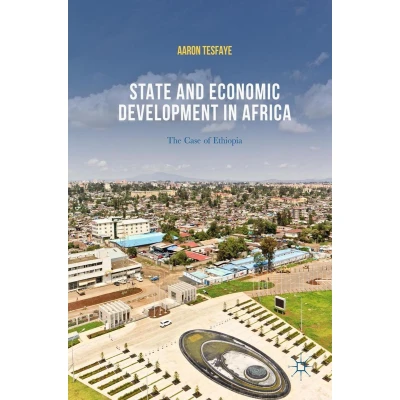
The author argues that, while significant steps have been achieved with measurable economic gains, there are still undeniable obstacles within the federal system: prevailing patron-client relationships, constraints on state capacity to efficiently and effectively implement policy, and bureaucratic rent-seeking in the provision of public goods. This book critically assesses the impact of Ethiopia’s policy of Agriculture Development Led Industrialization. Employing qualitative and quantitative analysis, it presents empirical evidence suggesting persistent economic growth. The research highlights improvements in infrastructure, health care, education, poverty alleviation as well reductions in infant mortality rate. The impact of this economic growth has however had led to only slight improvements in the plight of the poor. The author argues that, while significant steps have been achieved with measurable economic gains, there are still undeniable obstacles within the federal system: prevailing patron-client relationships, constraints on state capacity to efficiently and effectively implement policy, and bureaucratic rent-seeking in the provision of public goods. The author concludes that these problems will have to be resolved before Ethiopia’s political economy can achievethe stage of sustainable development This book critically assesses the impact of Ethiopia’s policy of Agriculture Development Led Industrialization. Employing qualitative and quantitative analysis, it presents empirical evidence suggesting persistent economic growth. The research highlights improvements in infrastructure, health care, education, poverty alleviation as well reductions in infant mortality rate. The impact of this economic growth has however had led to only slight improvements in the plight of the poor. The author argues that, while significant steps have been achieved with measurable economic gains, there are still undeniable obstacles within the federal system: prevailing patron-client relationships, constraints on state capacity to efficiently and effectively implement policy, and bureaucratic rent-seeking in the provision of public goods. The author concludes that these problems will have to be resolved before Ethiopia’s political economy can achieve the stage of sustainable development
BolThis book critically assesses the impact of Ethiopia’s policy of Agriculture Development Led Industrialization. Employing qualitative and quantitative analysis, it presents empirical evidence suggesting persistent economic growth. The research highlights improvements in infrastructure, health care, education, poverty alleviation as well reductions in infant mortality rate. The impact of this economic growth has however had led to only slight improvements in the plight of the poor. The author argues that, while significant steps have been achieved with measurable economic gains, there are still undeniable obstacles within the federal system: prevailing patron-client relationships, constraints on state capacity to efficiently and effectively implement policy, and bureaucratic rent-seeking in the provision of public goods. The author concludes that these problems will have to be resolved before Ethiopia’s political economy can achieve the stage of sustainable development
 Productspecificaties
| EAN |
|
|---|---|
| Maat |
|
 Prijshistorie
Prijzen voor het laatst bijgewerkt op:
 Gerelateerde resultaten


