


€ 154,11 € 132,50 Gratis verzending

Uitgelicht
|
|
154,11
132,50 |
Naar shop
|
| VERGELIJK ALLE AANBIEDERS (1) | ||
 Beschrijving
Vergelijk aanbieders (1)
€ 154,11 € 132,50 Gratis verzending
Winkels met andere maten
Beschrijving
(1)
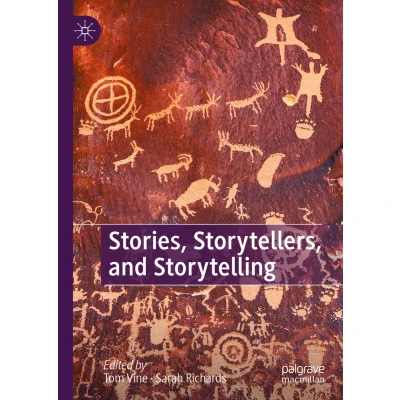
This book advances social scientific interest in a field long dominated by the humanities: stories, and storytelling. Storying (a term we use in this book to encompass stories, storytellers and storytelling) is complex, and this book seeks to make sense of it. This book advances social scientific interest in a field long dominated by the humanities: stories, and storytelling. Stories are a whole lot more than entertainment; oral narratives, novels, films and immersive video games all form part of the sociocultural discourses which we are enmeshed in, and use to co-construct our beliefs about the world around us. Young children use them to learn about the world beyond their immediate sensory experience and, even in an era of interactive electronic media, the bedtime story remains a cherished part of most children’s daily routine. Storytelling is thus the first abstract formal learning method we encounter as human beings. It is also probably transcultural; perhaps even an immanent part of the human condition. Narratives are, at heart, sequences of events and presuppose and reinforce particular cause-and-effect relationships. Inevitably, they also construct unconscious biases, prejudices, and discriminatory attitudes. Storying (a term we use in this book to encompass stories, storytellers and storytelling) is complex, and this book seeks to make sense of it. This book advances social scientific interest in a field long dominated by the humanities: stories, and storytelling. Stories are a whole lot more than entertainment; oral narratives, novels, films and immersive video games all form part of the sociocultural discourses which we are enmeshed in, and use to co-construct our beliefs about the world around us. Young children use them to learn about the world beyond their immediate sensory experience and, even in an era of interactive electronic media, the bedtime story remains a cherished part of most children’s daily routine. Storytelling is thus the first abstract formal learning method we encounter as human beings. It is also probably transcultural; perhaps even an immanent part of the human condition. Narratives are, at heart, sequences of events and presuppose and reinforce particular cause-and-effect relationships. Inevitably, they also construct unconscious biases, prejudices, and discriminatory attitudes. Storying (a term we use in this book to encompass stories, storytellers and storytelling) is complex, and this book seeks to make sense of it.
 Productspecificaties
| EAN |
|
|---|---|
| Maat |
|
 Prijshistorie
 Prijzen voor het laatst bijgewerkt op:
 Gerelateerde resultaten


