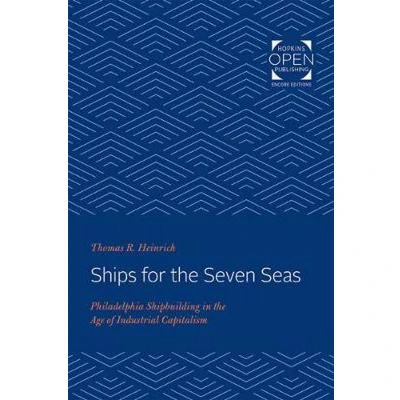

Studies in Industry and Society Ships for the Seven Seas

Prijzen vanaf
42,99

Uitgelicht

VERGELIJK ALLE AANBIEDERS (2)

Beschrijving

Bol Thomas R. Heinrich explores American shipbuilding from the workshop level to subcontracting networks spanning the Delaware Valley. Winner of the North American Society for Oceanic History's John Lyman Book Award Originally published in 1996. Sustained by a skilled work force and the Pennsylvania iron and steel industry, Philadelphia shipbuilders negotiated the transition from wooden to iron hull construction earlier and far more easily that most other builders. Between the Civil War and World War I, Philadelphia emerged as the vital center of American shipbuilding, constructing a wide variety of vessel types such as passenger liners, freighters, battleships, and cruisers. In Ships for the Seven Seas, Thomas R. Heinrich explores this complex industry from the workshop level to subcontracting networks spanning the Delaware Valley. He describes entrepreneurial strategies and industrial change that facilitated the rise of major shipbuilding firms; how naval architecture, marine engineering, and craft skills evolved as iron and steel overtook wood as the basic construction material; and how changes in domestic and international trade and the rise of the American steel navy helped generate vessel contracts for local builders. Heinrich also examines the formation of the military-industrial complex in the context of naval contracting. Contributing to current debates in business history, Ships for the Seven Seas explains how proprietary ownership and batch production strategies enabled late nineteenth-century builders to supply volatile markets with custom-built steamships. But large-scale naval construction in the 1920s eroded production flexibility, Heinrich argues, and since then, ill-conceived merchant marine policies and naval contracting procedures have brought about a structural crisis in American shipbuilding and the demise of the venerable Philadelphia shipyards.

Vergelijk aanbieders (2)

Shop
Prijs
Verzendkosten
Totale prijs
42,99
Gratis
42,99
Naar shop
Gratis Shipping Costs
52,43
gebruikt
Gratis
52,43
Naar shop
Gratis Shipping Costs
Beschrijving (2)
Bol

Thomas R. Heinrich explores American shipbuilding from the workshop level to subcontracting networks spanning the Delaware Valley. Winner of the North American Society for Oceanic History's John Lyman Book Award Originally published in 1996. Sustained by a skilled work force and the Pennsylvania iron and steel industry, Philadelphia shipbuilders negotiated the transition from wooden to iron hull construction earlier and far more easily that most other builders. Between the Civil War and World War I, Philadelphia emerged as the vital center of American shipbuilding, constructing a wide variety of vessel types such as passenger liners, freighters, battleships, and cruisers. In Ships for the Seven Seas, Thomas R. Heinrich explores this complex industry from the workshop level to subcontracting networks spanning the Delaware Valley. He describes entrepreneurial strategies and industrial change that facilitated the rise of major shipbuilding firms; how naval architecture, marine engineering, and craft skills evolved as iron and steel overtook wood as the basic construction material; and how changes in domestic and international trade and the rise of the American steel navy helped generate vessel contracts for local builders. Heinrich also examines the formation of the military-industrial complex in the context of naval contracting. Contributing to current debates in business history, Ships for the Seven Seas explains how proprietary ownership and batch production strategies enabled late nineteenth-century builders to supply volatile markets with custom-built steamships. But large-scale naval construction in the 1920s eroded production flexibility, Heinrich argues, and since then, ill-conceived merchant marine policies and naval contracting procedures have brought about a structural crisis in American shipbuilding and the demise of the venerable Philadelphia shipyards.

Bol Partner

Between the Civil War and World War I, Philadelphia emerged as the vital centre of American shipbuilding. This work explores this complex industry, from the workshop level to subcontracting networks spanning the Delaware valley. Between the Civil War and World War I, Philadelphia emerged as the vital centre of American shipbuilding. This work explores this complex industry, from the workshop level to subcontracting networks spanning the Delaware valley. It describes entrepreneurial strategies and industrial change that facilitated the rise of the major shipbuilding firms; how naval architecture, marine engineering, and craft skills evolved as iron and steel took over wood as the basic construction material; and how changes in domestic and international trade and the rise of the American steel navy helped generate vessel contracts for local builders. The book also examines the military-industrial complex in the context of naval contracting. Contributing to the current debates in business history, this text explains how proprietary ownership and batch production strategies enabled late 19th-century builders to supply volatile markets with custom-built ships. But large-scale naval construction in the 1920s eroded production flexibility, the author argues, and since then, ill-conceived merchant marine policies and naval contracting procedures have brought about a structural crisis in American shipbuilding and the demise of the venerable Philadephia shipyards.


Productspecificaties

EAN
  • 9781421436852
  • 9780801853876
Maat


Prijshistorie

Prijzen voor het laatst bijgewerkt op:

Uitgelichte Keuze
42,99
Naar shop
