


€ 129,00 Gratis verzending

Uitgelicht
|
|
129,00 |
Naar shop
|
| VERGELIJK ALLE AANBIEDERS (1) | ||
 Beschrijving
Vergelijk aanbieders (1)
€ 129,00 Gratis verzending
Winkels met andere maten
Beschrijving
(1)
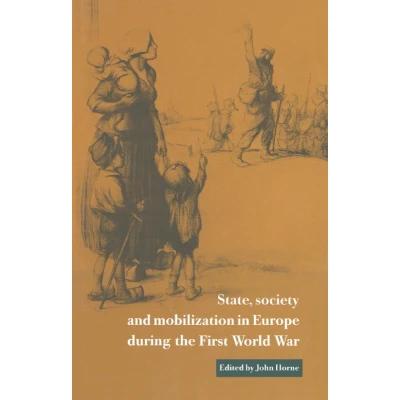
This is a volume of comparative essays on the political and cultural 'mobilization' of the populations of the main belligerent countries in Europe during the First World War. It explores how and why the war was supported for so long, and why those states with a strong political support and national integration were ultimately successful. This volume examines political and cultural mobilisation in the face of industrialised mass death during the First World War. Comparing Britain, France, Germany, Italy and Austria-Hungary, it generates arguments on mobilisation and 'total war' which have wider relevance. It explores 'national ideals' which cast the war as a crusade, the inclusive 'self-mobilisation' of sectional identities and private organisations behind national efforts, and the exclusion of suspect groups (the 'enemy within') from the mobilisation process. It also highlights the importance, and difficulty, of assessing the limits of mobilisation as well as the differing capacities of the state to sustain it, factors related to prior degrees of national integration and political legitimacy. Mobilisation in this sense was an important factor which determined the outcome and legacy of the war.
 Productspecificaties
| EAN |
|
|---|---|
| Maat |
|
 Prijshistorie
 Prijzen voor het laatst bijgewerkt op:
 Gerelateerde resultaten


