

€ 109,95 € 3,14 verzendkosten Totaal € 113,09

Uitgelicht
|
|
109,95 |
Naar shop
|

|
119,00 |
Naar shop
|
| VERGELIJK ALLE AANBIEDERS (2) | ||
 Beschrijving
Vergelijk aanbieders (2)
€ 109,95 € 3,14 verzendkosten Totaal € 113,09
€ 119,00 Gratis verzending
Winkels met andere maten
Beschrijving
(1)
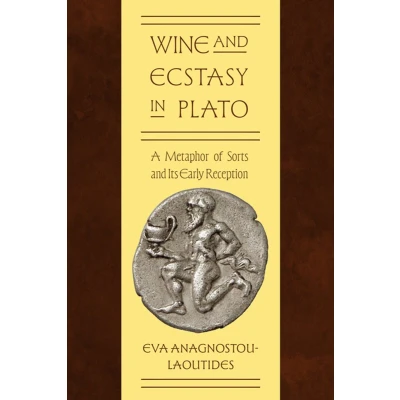
Examines inebriation as a culturally informed metaphor employed by Plato to defend the mind-altering effects of philosophy and its reception to the second-century CE. Wine and Ecstasy in Plato examines Plato's use of inebriation as a metaphor for the experience of transcendence and traces its reception to the second century CE. Drawing on the premises of cognitive phenomenology, Eva Anagnostou-Laoutides explores Socratic inebriation as an imperfect yet surprisingly effective sense-mediated reference to the mental processes that produce consciousness. Given the radical dichotomy in Greek culture between getting drunk with virtue and vice, Plato defends the Socratic way of drinking against misinterpretation. Thus, he engages thoroughly with the political, medical, philosophical, religious, and literary undertones of his metaphor. By replacing other forms of ecstasy with sober philosophical insight, Plato seeks to normalize transcendence and accommodate inspiration in the ideal polis. Socratic inebriation fueled numerous debates about the value and method of pursuing new models of consciousness during the Hellenistic and Roman period. By tracing these debates across several thinkers, including Seneca, Horace, Lucian of Samosata, and importantly Philo of Alexandria, Anagnostou-Laoutides reveals an important chapter in the history of human thought where truth and happiness are always situated beyond reason.
 Prijshistorie
 * Prijshistorie bevat geen data van Amazon.
Prijzen voor het laatst bijgewerkt op:
 Gerelateerde resultaten
 Productspecificaties


