

€ 18,45 Gratis verzending

Gesponsorde links
|
|
18,45 |
Naar shop
|

|
18,45 |
Naar shop
|

|
21,00 |
Naar shop
|
| VERGELIJK ALLE AANBIEDERS (3) | ||
 Beschrijving
Vergelijk aanbieders (3)
Gesponsorde links · Sommige shops betalen ons een vergoeding
€ 18,45 Gratis verzending
€ 18,45 Gratis verzending
€ 21,00 € 2,99 verzendkosten Totaal € 23,99
Winkels met andere maten
Beschrijving
(1)
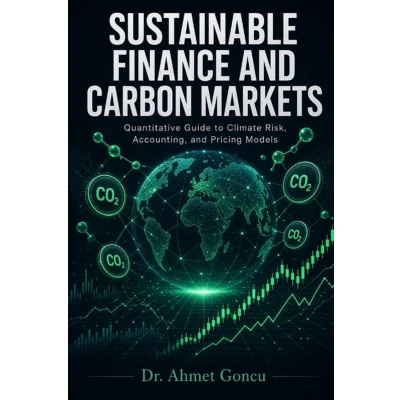
This book emerged from a confluence of academic inquiry, policy urgency, and practical necessity. As carbon pricing mechanisms proliferate globally-from the European Union's Emissions Trading System to China's national carbon market-financial institutions, corporations, and policymakers increasingly confront a fundamental challenge: how to measure, price, and manage carbon-related risks within existing financial frameworks. Traditional finance textbooks address climate change, if at all, as an ancillary topic. Yet as carbon prices exceed 100 per tonne and climate regulations reshape entire industries, carbon has become central to credit assessment, investment strategy, and corporate valuation. The genesis of this work lies in my research at the intersection of environmental economics, financial risk management, and sustainable finance. Teaching graduate courses in carbon markets and climate finance revealed a persistent gap: while theoretical foundations exist in environmental economics and practical guidance abounds in sustainability reporting, few resources integrate rigorous quantitative methods with institutional detail and empirical application. Students preparing for careers in banking, asset management, corporate finance, and policy need frameworks that are theoretically sound yet implementable with available data-tools they can deploy on Monday morning, not merely contemplate in seminar discussions. This book attempts to fill that gap. It combines regulatory analysis (examining EU climate directives in granular detail), quantitative modeling (developing carbon-adjusted credit risk frame- works), and practical implementation (providing working Python code for carbon accounting). The approach is deliberately eclectic: Chapter 3 might satisfy a compliance officer navigating CSRD requirements, while Chapter 8 speaks to a credit risk analyst integrating carbon costs into Merton models. This reflects the reality that sustainable finance demands fluency across disciplines-law, economics, accounting, computer science, and finance-that traditionally operate in isolation Intended Audience >Corporate Sustainability Officers and environmental managers responsible for carbon accounting, emissions reporting, and climate strategy. Chapters 3-4 provide comprehensive guidance on measurement methodologies, while Chapters 6-7 analyze compliance obligations under the EU ETS and CBAM. Policymakers and Regulators designing or evaluating carbon pricing systems, border adjustments, or climate disclosure requirements. The book provides both theoretical frameworks (Chapter 5) and empirical analysis of existing systems (Chapters 6-7) to inform policy development. Researchers in environmental economics, climate finance, or sustainable development seeking rigorous analytical frameworks and comprehensive literature review. Each chapter includes extensive references to current research and identifies open questions for future investigation.
 Prijshistorie
* Prijshistorie bevat geen data van Amazon, Amazon Marketplace.
Prijzen voor het laatst bijgewerkt op:
 Gerelateerde resultaten
 Productspecificaties


