







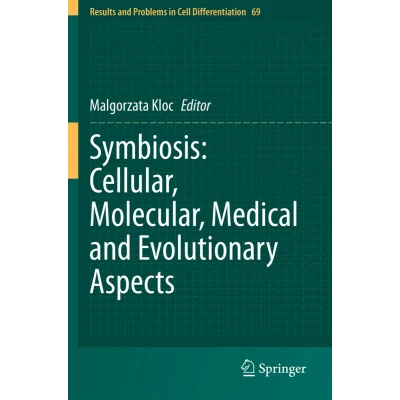
Symbiosis Cellular Molecular Medical and Evolutionary Aspects
Uitgelicht

|
169,00
160,99 |
Naar shop
|
 Beschrijving
Bol
The composition and robustness of human symbionts could make them a valuable diagnostic tool for predicting impending diseases, and the manipulation of symbionts could yield new strategies for the treatment of incurable diseases. This volume presents a comprehensive overview of the latest developments in symbiosis research. It covers molecular, organellar, cellular, immunologic, genetic and evolutionary aspects of symbiotic interactions in humans and other model systems. The book also highlights new approaches to interdisciplinary research and therapeutic applications. Symbiosis refers to any mutually beneficial interaction between different organisms. The symbiotic origin of cellular organelles and the exchange of genetic material between hosts and their bacterial and viral symbionts have helped shaped the current diversity of life. Recently, symbiosis has gained a new level of recognition, due to the realization that all organisms function as a holobiome and that any kind of interference with the hosts influences their symbionts and vice versa, and can have profound consequences for the survival of both. For example, in humans, the microbiome, i.e., the entirety of allthe microorganisms living in association with the intestines, oral cavity, urogenital system and skin, is partially inherited during pregnancy and influences the maturation and functioning of the human immune system, protects against pathogens and regulates metabolism. Symbionts also regulate cancer development, wound healing, tissue regeneration and stem cell function. The medical applications of this new realization are vast and largely uncharted. The composition and robustness of human symbionts could make them a valuable diagnostic tool for predicting impending diseases, and the manipulation of symbionts could yield new strategies for the treatment of incurable diseases. This volume presents a comprehensive overview of the latest developments in symbiosis research. It covers molecular, organellar, cellular, immunologic, genetic and evolutionary aspects of symbiotic interactions in humans and other model systems. The book also highlights new approaches to interdisciplinary research and therapeutic applications. Symbiosis refers to any mutually beneficial interaction between different organisms. The symbiotic origin of cellular organelles and the exchange of genetic material between hosts and their bacterial and viral symbionts have helped shaped the current diversity of life. Recently, symbiosis has gained a new level of recognition, due to the realization that all organisms function as a holobiome and that any kind of interference with the hosts influences their symbionts and vice versa, and can have profound consequences for the survival of both. For example, in humans, the microbiome, i.e., the entirety of all the microorganisms living in association with the intestines, oral cavity, urogenital system and skin, is partially inherited during pregnancy and influences the maturation and functioning of the human immune system, protects against pathogens and regulates metabolism. Symbionts also regulate cancer development, wound healing, tissue regeneration and stem cell function. The medical applications of this new realization are vast and largely uncharted. The composition and robustness of human symbionts could make them a valuable diagnostic tool for predicting impending diseases, and the manipulation of symbionts could yield new strategies for the treatment of incurable diseases.


Vergelijk aanbieders (1)

 Beschrijving
(1)
Beschrijving
(1)
The composition and robustness of human symbionts could make them a valuable diagnostic tool for predicting impending diseases, and the manipulation of symbionts could yield new strategies for the treatment of incurable diseases. This volume presents a comprehensive overview of the latest developments in symbiosis research. It covers molecular, organellar, cellular, immunologic, genetic and evolutionary aspects of symbiotic interactions in humans and other model systems. The book also highlights new approaches to interdisciplinary research and therapeutic applications. Symbiosis refers to any mutually beneficial interaction between different organisms. The symbiotic origin of cellular organelles and the exchange of genetic material between hosts and their bacterial and viral symbionts have helped shaped the current diversity of life. Recently, symbiosis has gained a new level of recognition, due to the realization that all organisms function as a holobiome and that any kind of interference with the hosts influences their symbionts and vice versa, and can have profound consequences for the survival of both. For example, in humans, the microbiome, i.e., the entirety of allthe microorganisms living in association with the intestines, oral cavity, urogenital system and skin, is partially inherited during pregnancy and influences the maturation and functioning of the human immune system, protects against pathogens and regulates metabolism. Symbionts also regulate cancer development, wound healing, tissue regeneration and stem cell function. The medical applications of this new realization are vast and largely uncharted. The composition and robustness of human symbionts could make them a valuable diagnostic tool for predicting impending diseases, and the manipulation of symbionts could yield new strategies for the treatment of incurable diseases. This volume presents a comprehensive overview of the latest developments in symbiosis research. It covers molecular, organellar, cellular, immunologic, genetic and evolutionary aspects of symbiotic interactions in humans and other model systems. The book also highlights new approaches to interdisciplinary research and therapeutic applications. Symbiosis refers to any mutually beneficial interaction between different organisms. The symbiotic origin of cellular organelles and the exchange of genetic material between hosts and their bacterial and viral symbionts have helped shaped the current diversity of life. Recently, symbiosis has gained a new level of recognition, due to the realization that all organisms function as a holobiome and that any kind of interference with the hosts influences their symbionts and vice versa, and can have profound consequences for the survival of both. For example, in humans, the microbiome, i.e., the entirety of all the microorganisms living in association with the intestines, oral cavity, urogenital system and skin, is partially inherited during pregnancy and influences the maturation and functioning of the human immune system, protects against pathogens and regulates metabolism. Symbionts also regulate cancer development, wound healing, tissue regeneration and stem cell function. The medical applications of this new realization are vast and largely uncharted. The composition and robustness of human symbionts could make them a valuable diagnostic tool for predicting impending diseases, and the manipulation of symbionts could yield new strategies for the treatment of incurable diseases.
 Productspecificaties
| EAN |
|
|---|---|
| Maat |
|
 Prijshistorie
Prijzen voor het laatst bijgewerkt op:
 Gerelateerde resultaten


