
Synthetic Biology
Uitgelicht

|
47,99 |
Naar shop
|

|
53,49 |
Naar shop
|

|
53,49 |
Naar shop
|
| VERGELIJK ALLE AANBIEDERS (3) | ||
 Beschrijving
Bol
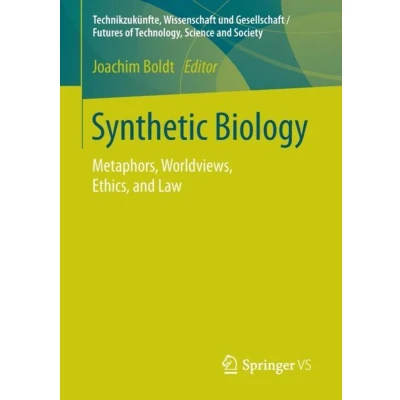
Assessing synthetic biology from a societal and ethical perspective is not only a matter of determining possible harms and benefits of synthetic biology applications. Synthetic biology also incorporates a specific technoscientific understanding of its research agenda and its research objects that has philosophical and ethical implications. Synthetic biology is an emerging technology that aims to design and engineer DNA and molecular structures of single cell organisms. Existing organisms can be altered, novel organisms can be created. In doing so, synthetic biology makes use of specific technoscientific understandings of living beings. This volume sets out to explore and assess synthetic biology and its notions of life from philosophical, ethical, social, and legal perspectives. ContentsConcepts, Metaphors, Worldviews.- Public Good and Private Ownership.Social and Legal Ramifications.- Opportunities, Risks, Governance. Target GroupsScholars of sociology, philosophy, theory of science, history of science, biology, engineeringPoliticians and policymakers The EditorDr. Joachim Boldt is Deputy Director at the Institut für Ethik und Geschichte der Medizin in Freiburg, Germany. Assessing synthetic biology from a societal and ethical perspective is not only a matter of determining possible harms and benefits of synthetic biology applications. Synthetic biology also incorporates a specific technoscientific understanding of its research agenda and its research objects that has philosophical and ethical implications. This edited volume sets out to explore and evaluate these synthetic biology worldviews and it proposes appropriate governance measures. In addition, legal challenges are discussed.


 Beschrijving
(2)
Beschrijving
(2)
Assessing synthetic biology from a societal and ethical perspective is not only a matter of determining possible harms and benefits of synthetic biology applications. Synthetic biology also incorporates a specific technoscientific understanding of its research agenda and its research objects that has philosophical and ethical implications. Synthetic biology is an emerging technology that aims to design and engineer DNA and molecular structures of single cell organisms. Existing organisms can be altered, novel organisms can be created. In doing so, synthetic biology makes use of specific technoscientific understandings of living beings. This volume sets out to explore and assess synthetic biology and its notions of life from philosophical, ethical, social, and legal perspectives. ContentsConcepts, Metaphors, Worldviews.- Public Good and Private Ownership.Social and Legal Ramifications.- Opportunities, Risks, Governance. Target GroupsScholars of sociology, philosophy, theory of science, history of science, biology, engineeringPoliticians and policymakers The EditorDr. Joachim Boldt is Deputy Director at the Institut für Ethik und Geschichte der Medizin in Freiburg, Germany. Assessing synthetic biology from a societal and ethical perspective is not only a matter of determining possible harms and benefits of synthetic biology applications. Synthetic biology also incorporates a specific technoscientific understanding of its research agenda and its research objects that has philosophical and ethical implications. This edited volume sets out to explore and evaluate these synthetic biology worldviews and it proposes appropriate governance measures. In addition, legal challenges are discussed.
AmazonPagina's: 242, Editie: 1st ed. 2016, Paperback, Springer VS
 Productspecificaties
 Prijshistorie
* Prijshistorie bevat geen data van Amazon, Amazon Marketplace.
Prijzen voor het laatst bijgewerkt op:
 Gerelateerde resultaten


