


€ 16,00 € 2,99 verzendkosten Totaal € 18,99

Uitgelicht
|
|
16,00 |
Naar shop
|
| VERGELIJK ALLE AANBIEDERS (1) | ||
 Beschrijving
Vergelijk aanbieders (1)
€ 16,00 € 2,99 verzendkosten Totaal € 18,99
Winkels met andere maten
Beschrijving
(1)
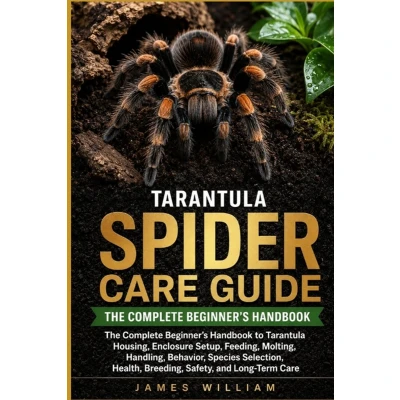
Discover How to Keep a Tarantula with ConfidenceTarantulas are fascinating, quiet, and surprisingly complex animals. Successful keeping begins with understanding that different species have different needs for housing, moisture, ventilation, feeding, and daily care.Tarantula Spider Care Guide gives beginners practical guidance for responsible tarantula husbandry, from choosing a suitable species and preparing the enclosure to feeding, molting, behavior, maintenance, and long-term care.Inside This Guide, You'll Discover: - How to choose a tarantula suitable for your experience level- The differences between terrestrial, burrowing, and arboreal species- How to select a secure, appropriately sized enclosure- How to use suitable substrate, hides, cork bark, and furnishings- How to provide proper ventilation and species-appropriate moisture- How to provide clean drinking water safely- What tarantulas eat and how to choose suitable feeder insects- How feeding frequency changes with age, size, and behavior- How to recognize hunting, hiding, burrowing, webbing, and defensive behavior- How to identify common signs of premolt- What happens during molting and why disturbance should be avoided- How to care for a tarantula after a molt- Why routine handling is generally unnecessary- How to recognize possible dehydration, injury, stress, or husbandry problems- How to perform enclosure maintenance with minimal disturbance- How to prepare for safer rehousing- How to build a practical long-term care routineGood Tarantula Care Starts with the Right EnvironmentTarantulas should not all be housed the same way. Ground-dwelling, burrowing, and arboreal species have different enclosure requirements, and moisture needs can vary greatly. This guide helps you understand those differences so you can make informed decisions instead of relying on one-size-fits-all advice.You will learn how enclosure dimensions, substrate depth, ventilation, shelter, water, feeding, and environmental stability work together to support natural behavior and safer captive care.Understand Molting Before It HappensMolting is one of the most important processes for every keeper to understand. A tarantula may refuse food, become less active, spend more time in a retreat, or lie on its back as the molt begins. Knowing what is normal can help you avoid unnecessary interference during this vulnerable stage.Whether you are preparing for your first tarantula or improving an existing setup, this guide provides a clear foundation for thoughtful, responsible, and rewarding tarantula care.
 Productspecificaties
| EAN |
|
|---|---|
| Maat |
|
 Prijshistorie
Prijzen voor het laatst bijgewerkt op:
 Gerelateerde resultaten


