


€ 60,99 Gratis verzending

Uitgelicht
|
|
60,99 |
Naar shop
|

|
162,19 |
Naar shop
|
| VERGELIJK ALLE AANBIEDERS (2) | ||
 Beschrijving
Vergelijk aanbieders (2)
€ 60,99 Gratis verzending
€ 162,19 € 6,73 verzendkosten Totaal € 168,92
Winkels met andere maten
Beschrijving
(1)
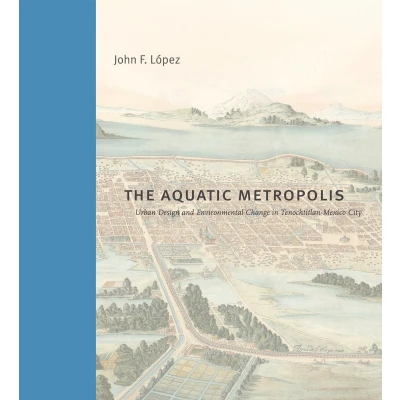
An examination of both the Aztec and Spanish approaches to urban design and shows how the tension between them has created profound and lasting environmental consequences for Mexico City. For centuries, both the Aztec and the Spanish sought to control catastrophic flooding in Tenochtitlan and later Mexico City, but their responses were about more than just engineering. What might seem like straightforward hydraulic projects emerge, under rigorous examination, as complex intersections of visual cultures and philosophical worldviews about nature and cities. Blending art history with the histories of cartography, science, technology, and the environment, this book offers a nuanced account of Mexico City’s urban development. At its core is the visual culture of water—maps, drawings, and paintings by both indigenous and European artists that expose the differing epistemologies shaping Aztec and Spanish approaches to urban planning. Unlike the Aztec, who used causeways to adapt the city to its aquatic environment, the Spanish employed European methods of hydraulic engineering to overcome New World nature. In addition to being a technical solution, this drainage project served a philosophical purpose: to secure a new historical genesis for Mexico City by rooting it in the history of European antiquity and classical architecture, and by emancipating it from Tenochtitlan’s most iconic feature—water. The Aquatic Metropolis is essential reading for scholars and students of environmental history, art history, urban studies, and Latin American studies. It shows that Mexico City’s modern flood crises are not just contemporary problems but the outcome of cultural attitudes and decisions that have deep roots in the colonial past. Understanding this history offers critical tools for addressing the city’s future amid climate change.
 Prijshistorie
 * Prijshistorie bevat geen data van Amazon.
Prijzen voor het laatst bijgewerkt op:
 Gerelateerde resultaten
 Productspecificaties


