

€ 23,03 Gratis verzending

Gesponsorde links
|
|
23,03 |
Naar shop
|

|
23,03 |
Naar shop
|

|
24,99 |
Naar shop
|
| VERGELIJK ALLE AANBIEDERS (3) | ||
 Beschrijving
Vergelijk aanbieders (3)
Gesponsorde links · Sommige shops betalen ons een vergoeding
€ 23,03 Gratis verzending
€ 23,03 Gratis verzending
€ 24,99 € 2,99 verzendkosten Totaal € 27,98
Winkels met andere maten
Beschrijving
(1)
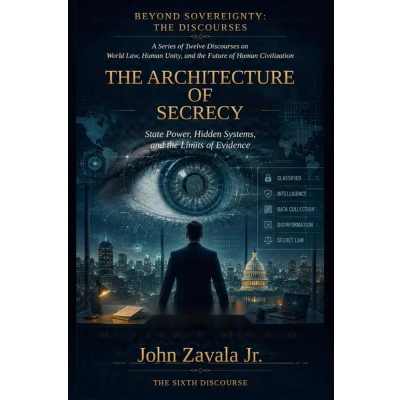
How can power be judged when it controls the evidence through which it is judged? The Architecture of Secrecy examines political power under conditions of partial visibility. In the Sixth Discourse of Beyond Sovereignty: The Discourses, John Zavala Jr. explores classification, redaction, archival delay, intelligence, plausible deniability, black budgets, and narrative framing-and asks what these arrangements do to public judgment. The book distinguishes secrecy that protects lives, privacy, diplomacy, or legitimate operations from secrecy that shields institutions from accountability. Its Evidence Ladder separates documented fact, corroborated claims, inference, possibility, unsupported speculation, and projection, offering a disciplined way to question power without manufacturing certainty. This is neither a demand for total transparency nor an invitation to explain everything through conspiracy. Hidden power may be fragmented, bureaucratic, and competitive rather than directed by a single mastermind. An incomplete record does not make the darkest explanation true. For readers concerned with government accountability, intelligence oversight, and the integrity of public knowledge, this discourse argues that necessary secrecy must remain limited, documented, preserved, reviewable, and challengeable. Protection must not become permanent exemption from judgment. The state may need secrets. It may not use secrecy to become innocent.
 Prijshistorie
* Prijshistorie bevat geen data van Amazon, Amazon Marketplace.
Prijzen voor het laatst bijgewerkt op:
 Gerelateerde resultaten
 Productspecificaties


