

€ 6,36 Gratis verzending

Gesponsorde links
|
|
6,36 |
Naar shop
|

|
6,36 |
Naar shop
|

|
11,50 |
Naar shop
|
| VERGELIJK ALLE AANBIEDERS (3) | ||
 Beschrijving
Vergelijk aanbieders (3)
Gesponsorde links · Sommige shops betalen ons een vergoeding
€ 6,36 Gratis verzending
€ 6,36 Gratis verzending
€ 11,50 € 2,99 verzendkosten Totaal € 14,49
Winkels met andere maten
Beschrijving
(1)
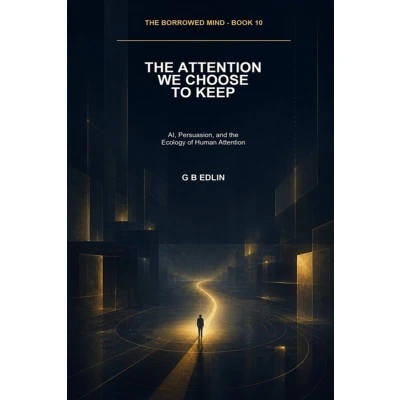
Every recommendation is also a claim on a life. AI can now infer which words a person will trust, which moment is likely to produce a response, and which path will keep attention moving. It can reduce overload, widen access, and return time. It can also turn distraction, vulnerability, and dependence into optimisation resources. In The Attention We Choose to Keep, G B Edlin examines the decisive question behind personalised, persuasive AI: not simply whether a system captures attention, but whether people remain able to direct it. Clear, rigorous, and deeply practical, this tenth volume of The Borrowed Mind shows how to: - distinguish helpful assistance from hidden direction; - understand adaptive persuasion, inferred vulnerability, and the predicted self; - evaluate recommendation trajectories instead of isolated prompts; - protect childhood, learning, work, health, public life, and the home; - measure retained agency rather than treating engagement as value; - bound personalisation, make refusal durable, and design for recovery; and >This is neither an argument for digital withdrawal nor another demand that individuals become perfectly disciplined. It is a professional guide to building an ecology in which useful technology can serve attention without quietly becoming its author. A mind is not empty space. It is a life in the act of choosing what matters. Book 10 of The Borrowed Mind, a twelve-volume exploration of human agency in the age of artificial intelligence.
 Prijshistorie
* Prijshistorie bevat geen data van Amazon, Amazon Marketplace.
Prijzen voor het laatst bijgewerkt op:
 Gerelateerde resultaten
 Productspecificaties


