

€ 13,76 Gratis verzending

Gesponsorde links
|
|
13,76 |
Naar shop
|

|
13,76 |
Naar shop
|

|
15,00 |
Naar shop
|
| VERGELIJK ALLE AANBIEDERS (3) | ||
 Beschrijving
Vergelijk aanbieders (3)
Gesponsorde links · Sommige shops betalen ons een vergoeding
€ 13,76 Gratis verzending
€ 13,76 Gratis verzending
€ 15,00 € 2,99 verzendkosten Totaal € 17,99
Winkels met andere maten
Beschrijving
(1)
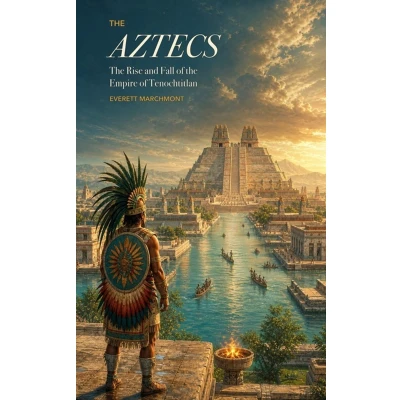
The Aztec empire that met Cortés in 1519 had no code of law, no resident governors, and no army stationed in the lands it ruled. What it had was a schedule: named towns owed named goods at fixed intervals to three allied capitals on a lake, and almost everything else in the state was arranged around collecting on that schedule. This book follows the Triple Alliance of Tenochtitlan, Texcoco, and Tlacopan from its founding victory in 1428 to the fall of its capital in 1521, treating it as a functioning government rather than a lost civilization: how tribute was assessed and moved, how the calendar, the market, the nobility, and the priesthood fit into that machinery, and why an empire built this cheaply could expand across two hundred thousand square kilometers in ninety years and then collapse within two.Drawing on the Codex Mendoza, the colonial chronicles, and the archaeological record of the Basin of Mexico, the book treats tribute, warfare, and sacrifice as institutions with costs and functions rather than as spectacle, and gives the destruction of 1519 to 1521 its proper scale: a political and epidemiological event, not a military feat carried out by a few hundred men.A structural account of how the Aztec state worked, and what actually ended when it fell.
 Prijshistorie
* Prijshistorie bevat geen data van Amazon, Amazon Marketplace.
Prijzen voor het laatst bijgewerkt op:
 Gerelateerde resultaten
 Productspecificaties


