


€ 188,00 Gratis verzending

Uitgelicht
|
|
188,00 |
Naar shop
|

|
214,45 |
Naar shop
|
| VERGELIJK ALLE AANBIEDERS (2) | ||
 Beschrijving
Vergelijk aanbieders (2)
€ 188,00 Gratis verzending
€ 214,45 Gratis verzending
Winkels met andere maten
Beschrijving
(1)
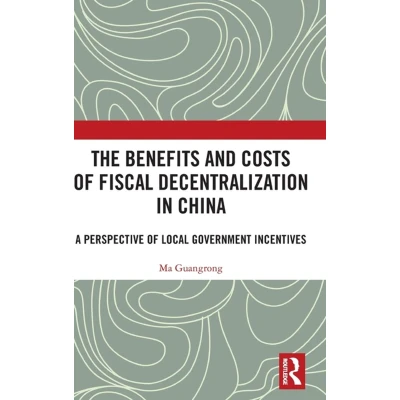
This book examines China's fiscal decentralization and its economic impact through local government incentives. It focuses on three key areas: expenditure decentralization, revenue decentralization and intergovernmental transfers. The analysis weighs the benefits and costs of these fiscal practices in terms of China's economic development. This book examines China's fiscal decentralization and its economic impact through local government incentives. It focuses on three key areas: expenditure decentralization, revenue decentralization and intergovernmental transfers. The analysis weighs the benefits and costs of these fiscal practices in terms of China's economic development.The author observes that China’s high degree of fiscal expenditure and revenue decentralization has empowered local governments to pursue economic development vigorously. However, it has also created insufficient incentives to provide public welfare services and to adjust income distribution. This has exacerbated local protectionism and fragmented the domestic market. While intergovernmental transfers to less developed regions have gradually improved fiscal equalization and mitigated regional disparities since the 1994 tax-sharing reform, they have weakened the economic development incentives of recipient local governments. This book concludes with reform proposals for optimizing central–local fiscal relations.This book will be of interest to scholars of the Chinese economy, public finance and development economics.
 Prijshistorie
 * Prijshistorie bevat geen data van Amazon.
Prijzen voor het laatst bijgewerkt op:
 Gerelateerde resultaten
 Productspecificaties


