
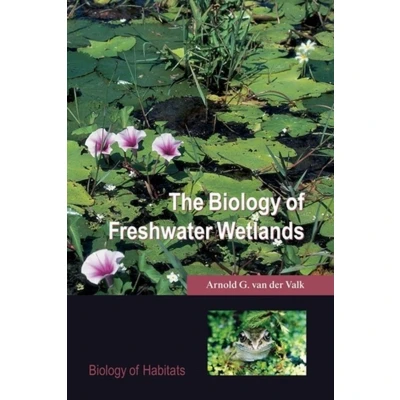
The Biology Of Freshwater Wetlands
Uitgelicht

|
54,96 |
Naar shop
|

|
188,00 |
Naar shop
|
| VERGELIJK ALLE AANBIEDERS (2) | ||
 Beschrijving
Bol
A concise, easy to read introduction for anyone working in the field of wetland ecology. Besides updating and expanding the material in all chapters of the first edition, the second edition includes new chapters on global climate change, invasive species, and restoration and creation. Global wetlands exhibit significant differences in both hydrology and species composition and range from moss-dominated arctic peatlands to seasonally-flooded tropical floodplains. They are increasingly recognized for the important services that they provide to both the environment and human society such as wildlife and fish production, nutrient filtering, and carbon sequestration. A combination of low oxygen levels and dense plant canopies present particular challenges for organisms living in this aquatic habitat. This concise textbook discusses the universal environmental and biological features of wetland habitats, with an emphasis on wetland plants and animals and their adaptations. It also describes the functional features of wetlands - primary production, litter decomposition, food webs, and nutrient cycling - and their significance locally and globally. The future of wetlands is examined, including the potential threats of global climate change and invasive species, as well as their restoration and creation. This new edition maintains the structure and style of the first, but is fully updated throughout with new chapters on invasive species, restoration/creation, global climate change, and the value of wetlands.


 Beschrijving
(2)
Beschrijving
(2)
A concise, easy to read introduction for anyone working in the field of wetland ecology. Besides updating and expanding the material in all chapters of the first edition, the second edition includes new chapters on global climate change, invasive species, and restoration and creation. Global wetlands exhibit significant differences in both hydrology and species composition and range from moss-dominated arctic peatlands to seasonally-flooded tropical floodplains. They are increasingly recognized for the important services that they provide to both the environment and human society such as wildlife and fish production, nutrient filtering, and carbon sequestration. A combination of low oxygen levels and dense plant canopies present particular challenges for organisms living in this aquatic habitat. This concise textbook discusses the universal environmental and biological features of wetland habitats, with an emphasis on wetland plants and animals and their adaptations. It also describes the functional features of wetlands - primary production, litter decomposition, food webs, and nutrient cycling - and their significance locally and globally. The future of wetlands is examined, including the potential threats of global climate change and invasive species, as well as their restoration and creation. This new edition maintains the structure and style of the first, but is fully updated throughout with new chapters on invasive species, restoration/creation, global climate change, and the value of wetlands.
Bol PartnerGlobal wetlands range from moss-dominated artic peatlands to seasonally-flooded tropical floodplains, and exhibit significant differences in both hydrology and species composition. However, rather than concentrating on the detailed characteristics of specific wetland types, this concise textbook emphasizes their universal environmental and biological features. A combination of hydrology, low oxygen levels, and dense plant canopies are the major defining features of wetland habitats. Due to the slow diffusion of oxygen in water, oxygen in wetland soils and water columns is often very low or absent. The adaptations of wetland micro-organisims, invetebrates, plants, and vetebrates to anaerobic conditions (and ther functional consequences) are a major theme of this book. Plant canopies create complex gradients of light, temperature and oxygen that change daily and seasonally. The book demonstrates how these shifting environmental gradients are responsible for the distribution of algae, invertebrates, and vertebrates in wetlands. Another major focus is on water level fluctuations and how they can affect the flora, fauna, and functions of wetlands.The future of wetlands is also examined, including the potential impacts of global climate change and efforts to restore wetlands.
 Productspecificaties
| EAN |
|
|---|---|
| Maat |
|
 Prijshistorie
Prijzen voor het laatst bijgewerkt op:
 Gerelateerde resultaten


