
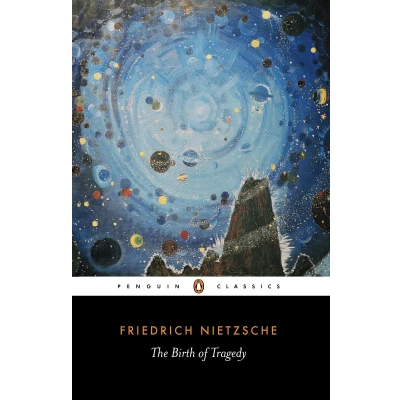
the Birth of Tragedy: Out Spirit Music
Uitgelicht

|
10,18 |
Naar shop
|

|
10,18 |
Naar shop
|

|
11,67
10,18 |
Naar shop
|
| VERGELIJK ALLE AANBIEDERS (3) | ||
 Beschrijving
Bol
Presents an argument for the necessity for art in life. This book is based on the author's enthusiasms for Greek tragedy, for the philosophy of Schopenhauer and for the music of Wagner. It outlines a distinction between two central forces: the Apolline, representing beauty and order, and the Dionysiac, a primal or ecstatic reaction to the sublime. Nietzsche's first published book, The Birth of Tragedy is a compelling argument for the necessity of art in lifeThis landmark work of criticism is fuelled by Nietzsche's enthusiasms for Greek tragedy, the philosophy of Schopenhauer and the music of Wagner, to whom the book was dedicated. Nietzsche outlined a distinction between two central forces in art: the Apolline, representing beauty and order, and the Dionysiac, a primal or ecstatic reaction to the sublime. He believed the combination of these states produced the highest forms of music and tragic drama, which not only reveal the truth about suffering in life, but also provide a consolation for it. Impassioned and exhilarating in its conviction, The Birth of Tragedy has become a key text in European culture.Translated by Shaun WhitesideEdited by Michael Tanner


 Beschrijving
(1)
Beschrijving
(1)
Presents an argument for the necessity for art in life. This book is based on the author's enthusiasms for Greek tragedy, for the philosophy of Schopenhauer and for the music of Wagner. It outlines a distinction between two central forces: the Apolline, representing beauty and order, and the Dionysiac, a primal or ecstatic reaction to the sublime. Nietzsche's first published book, The Birth of Tragedy is a compelling argument for the necessity of art in lifeThis landmark work of criticism is fuelled by Nietzsche's enthusiasms for Greek tragedy, the philosophy of Schopenhauer and the music of Wagner, to whom the book was dedicated. Nietzsche outlined a distinction between two central forces in art: the Apolline, representing beauty and order, and the Dionysiac, a primal or ecstatic reaction to the sublime. He believed the combination of these states produced the highest forms of music and tragic drama, which not only reveal the truth about suffering in life, but also provide a consolation for it. Impassioned and exhilarating in its conviction, The Birth of Tragedy has become a key text in European culture.Translated by Shaun WhitesideEdited by Michael Tanner
 Productspecificaties
 Prijshistorie
* Prijshistorie bevat geen data van Amazon, Amazon Marketplace.
Prijzen voor het laatst bijgewerkt op:
 Gerelateerde resultaten


